
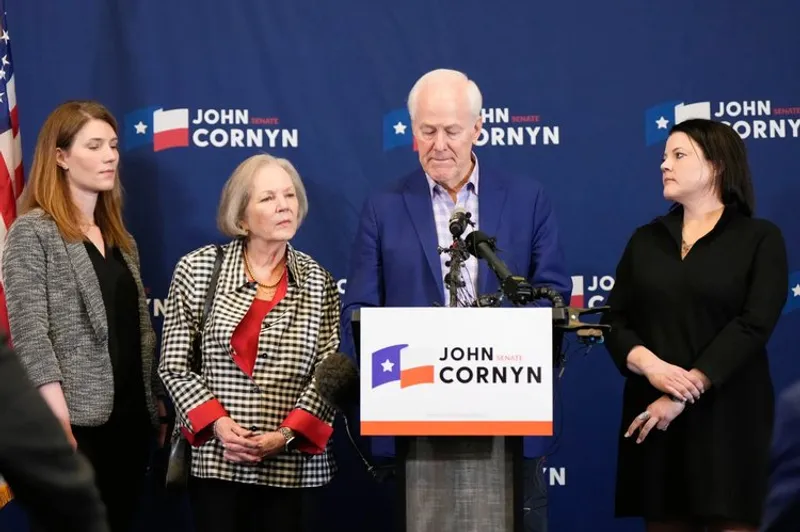
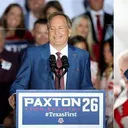
TLDR: SAN ANTONIO—John Cornyn lost the Texas Republican Senate runoff to Attorney General Ken Paxton after Donald Trump branded him disloyal. Cornyn’s attempt to align with Trump failed, reshaping Texas Republican power and advancing Trump backed voting restrictions.
Key Takeaways:
- Cornyn spent a year courting Donald Trump and Texas Republicans through public photo ops, pro Trump voting claims, and tax bill support.
- Trump personally endorsed Paxton and wrote that Cornyn was “VERY disloyal.” The margin was double digits in the Tuesday runoff.
- Cornyn reversed his Senate filibuster stance to help advance SAVE America Act related voting restrictions, but the reversal arrived too late.

Cornyn tried to charm the principal, but Trump keeps score in public. In Texas, institutional tweaks like filibuster shifts did not outtalk a single endorsement post.
Cornyn tried to charm the principal, but Trump keeps score in public. In Texas, institutional tweaks like filibuster shifts did not outtalk a single endorsement post.
Q&A
What does Trump’s “disloyalty” message signal for other Republicans courting his blessing?
It suggests Trump rewards visible allegiance and punishes past disagreements quickly, even when candidates run on mainstream legislative credentials.
Why did Cornyn’s tactical pivot on the filibuster fail despite aligning with Trump’s voting restrictions push?
The pivot looked reactive after Trump had already decided who he wanted, and primary voters appeared ready to move loyalty to the endorsed candidate.
How could Paxton’s victory change the Senate’s momentum on SAVE America Act related voting restrictions?
A Paxton ally increases the odds of smoother floor strategy and higher willingness among Republican leadership to prioritize Trump’s voting agenda.
What role did Trump’s endorsements in Indiana, Louisiana, and Kentucky play in Texas outcomes?
They built a pattern of revenge backed by resources, making it more likely incumbents who bend late still lose against pro Trump challengers.
Does Cornyn’s defeat strengthen or weaken the long term appeal of GOP institutionalists?
It weakens their leverage for the moment, because voters in high profile races rewarded loyalty signals over institutional tradition like the filibuster.

No comments yet. Be the first to share your thoughts!