
Republicans stare down inflation abyss with midterms fast approaching
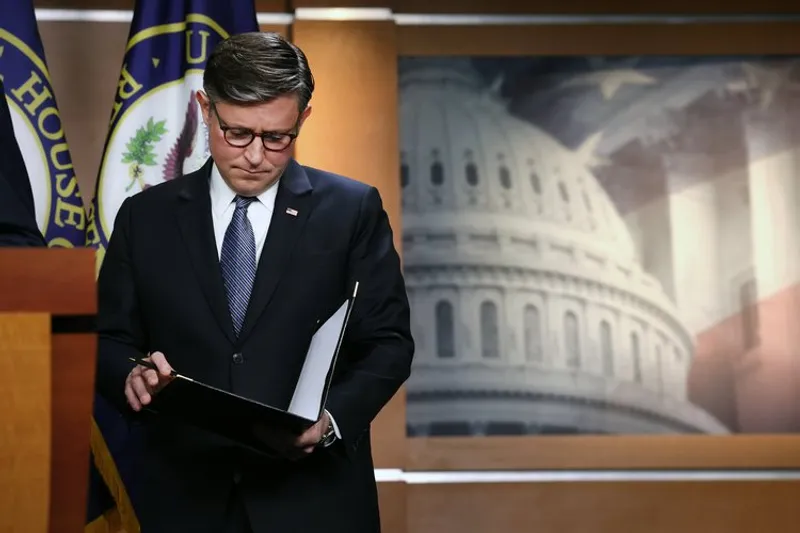
TLDR: WASHINGTON—April inflation rose to 3.8% year over year, squeezing Republican messaging just before the 2026 midterms and fueling blame disputes.
Key Takeaways:
- Republicans seized power in 2024 promising to beat inflation blamed on Joe Biden, but their record is now under pressure.
- April inflation climbed to 3.8% year over year, driven heavily by energy prices tied to the war in Iran; gas averaged $4.49.
- Moderates warn that rhetoric like Trump’s White House ballroom will not beat kitchen table costs, making energy a make or break issue.

The party that campaigned on curing inflation is now auditioning on energy prices it cannot legislate away overnight. Voters are hearing blame, but they are paying the bill.
The party that campaigned on curing inflation is now auditioning on energy prices it cannot legislate away overnight. Voters are hearing blame, but they are paying the bill.
Q&A
Why do internal Republican warnings about inflation carry more political heat than leadership talking points?
Because voters notice when GOP incumbents contradict the top line, signaling that the party does not have a credible plan to lower costs.
If gasoline is unlikely to fall until Iran or Hormuz changes, what can Republicans realistically target in the meantime?
They can push targeted tax or regulatory actions tied to energy costs, but the article suggests timing is the bottleneck, not intent.
How might new tariffs or tariff uncertainty worsen inflation even if some voters credit border security?
Economic approval can split: voters may reward security policy while still punishing prices, especially when tariffs raise input and consumer costs.
What does the gap between Trump approval on the economy and Democrats leading generic polling suggest about voter behavior?
It points to cost of living as a dominant voting driver, where even partial recoveries from the post pandemic spike do not erase lingering pain.
Why could a second tax package help Republicans politically without solving inflation quickly?
A tax cut can boost take home pay in public perception, even if inflation dynamics tied to energy supply and conflict take longer to cool.



No comments yet. Be the first to share your thoughts!