
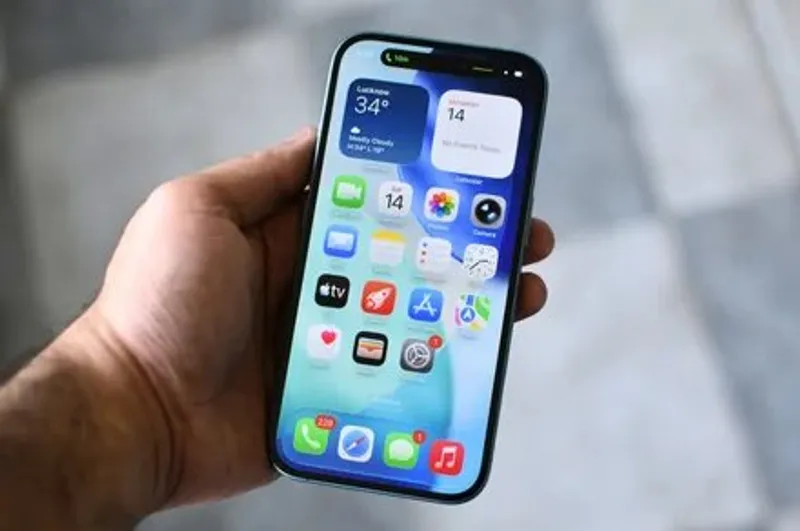
TLDR: Apple may add instant lock after sudden snatch detection, blocking thieves faster.
Key Takeaways:
- Apple already relies on Stolen Device Protection and Find My, but fails when phones stay unlocked.
- Report says Apple is building grab and movement detection using accelerometer, motion, and Apple Watch proximity.
- If it triggers quickly in unfamiliar places, iPhone security settings and account changes could get harder to exploit.

This is the security upgrade thieves hate most, cutting the first minute of chaos. Borrowing Android logic could finally make “unlocked” less of a free pass.
This is the security upgrade thieves hate most, cutting the first minute of chaos. Borrowing Android logic could finally make “unlocked” less of a free pass.
Q&A
What is the biggest risk of theft detection locks based on motion and sensors?
False triggers during normal life, like accidental drops, crowded transit surges, or quick hand movements, could annoy users and interrupt payments or navigation.
Why do “Find My” style tools fall short against grab and go theft?
They mostly help after the phone is missing, while thieves often act immediately when the device stays unlocked and reachable.
How could Apple Watch proximity change the accuracy of theft detection?
If the iPhone rapidly moves away while the Watch remains nearby, Apple could treat that mismatch as stronger evidence of a snatch.
What could “familiar location” restrictions mean for user behavior and trust?
Users may see fewer account or security changes allowed off routine routes, shifting convenience toward safer defaults in public places.
If Apple launches this feature, how might other phone makers respond?
Expect a race toward on device AI sensor based lock triggers, with cross device signals and tighter limits on high risk actions during suspected theft.




No comments yet. Be the first to share your thoughts!