
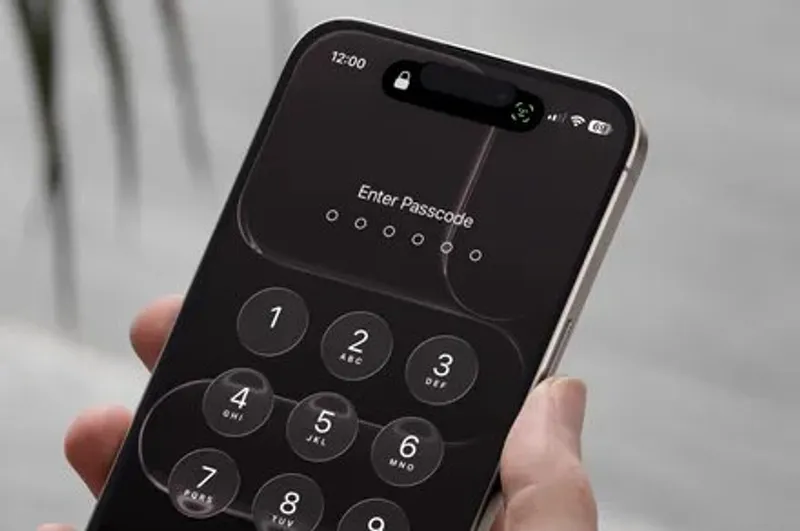
TLDR: Apple is testing an iPhone auto lock that triggers when snatch motion and Apple Watch distance signals suggest theft. It matters because an unlocked phone still exposes data.
Key Takeaways:
- Apple’s current defenses include Find My, Activation Lock, and Stolen Device Protection, but they can lose power if a thief snatches an unlocked iPhone.
- The new feature uses accelerometer jerk detection plus paired Apple Watch distance drift to confirm a grab, then locks immediately and applies stolen access limits.
- If added in iOS 27, Apple could close the window between snatch and misuse, pushing iPhone security closer to Android Theft Detection Lock behavior.

This is Apple doing the obvious thing security has always needed: removing the attacker’s first ten seconds. If it works, the getaway starts without the data.
This is Apple doing the obvious thing security has always needed: removing the attacker’s first ten seconds. If it works, the getaway starts without the data.
Q&A
What happens if the auto lock triggers during normal activities like jogging or crowded transit?
Apple would need tight detection thresholds and timing to avoid locking during legitimate jerky motion. The code reportedly draws multiple signals, which should reduce false positives.
Why does an unlocked iPhone still matter even with Activation Lock and Find My?
Activation Lock helps after device recovery, and Find My helps track. But an unlocked phone can still be used immediately for actions tied to local access and user sessions.
How might the Apple Watch signal change security for people who do not wear the watch?
The feature is described as using several signals, including watch distance. Without the watch, Apple would likely rely more heavily on motion and network and location familiarity checks.
Could thieves adapt by trying to keep the phone in view or moving slowly enough to dodge accelerometer jerk detection?
Any theft detection that depends on sudden motion will face evasion attempts. Apple’s use of multiple context rules, like familiar Wi Fi and recognized locations, is designed to make simple tricks less effective.
If this lands in iOS 27, how will it reshape the value of Stolen Device Protection?
Stolen Device Protection already tightens access after theft signals. Auto locking on snatch would move that protection earlier, reducing the time attackers have to act before restrictions kick in.




No comments yet. Be the first to share your thoughts!