
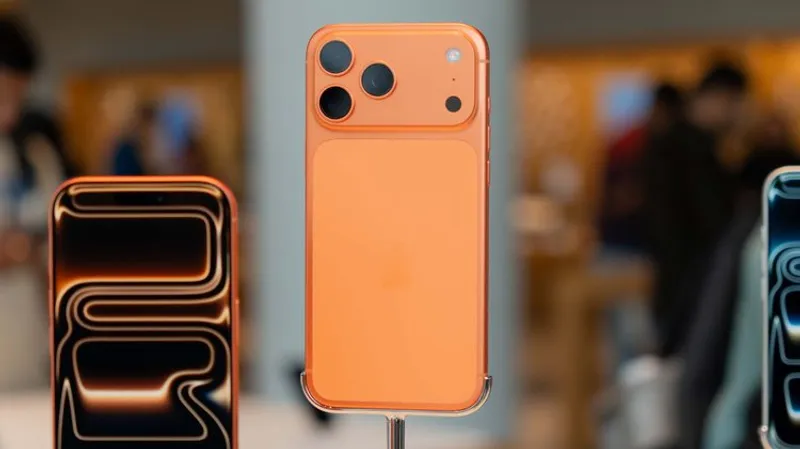
TLDR: Apple may add an iPhone snatch detection feature that auto locks it. It targets thieves who steal phones while unlocked.
Key Takeaways:
- Apple already protects lost iPhones with Find My and Stolen Device Protection.
- A reported new iPhone feature would lock instantly if signals show the phone was snatched.
- If shipped, it could shrink the biggest gap: thieves who grab an unlocked device and run.

Android already treats snatch theft as a specific threat, not a vague worry. If Apple matches it, iPhone theft headlines could shift from “unlock and escape” to “grab and instantly lose access.”
Android already treats snatch theft as a specific threat, not a vague worry. If Apple matches it, iPhone theft headlines could shift from “unlock and escape” to “grab and instantly lose access.”
Q&A
What signals could a phone use to decide it was snatched, and how might it avoid false alarms?
A smart lock decision would likely blend motion, orientation changes, distance from known body signals, and sudden accelerations. False positives would be the key problem, so Apple would probably tune thresholds for cases like dropping a phone, swinging a bag, or using it with vibration heavy accessories.
Why do Find My and Stolen Device Protection fail to stop a thief who grabs a phone while it is unlocked?
Those tools primarily help after the theft, by locating the device and limiting access to sensitive data. A thief who steals while the screen is unlocked can often act immediately before remote protections kick in, especially for tasks that require quick local control.
If this auto lock launches, what new attack strategies could thieves try?
Thieves might shift from snatching to distraction theft, targeting moments when the lock logic is least likely to trigger. They could also rely on fast handoff to accomplices or attempt to confuse sensors with rapid movement patterns.
How could this change consumer behavior during risky moments like commuting or nightlife?
People may feel less forced to keep their screen locked at all times if the phone can lock itself when it detects a grab. That could reduce friction for use in public, while still raising expectations that the device will respond instantly.
Does copying Android’s idea create a security advantage for Apple, or does it expose tradeoffs?
Adopting a proven anti snatch concept can accelerate progress, but the implementation details matter. Apple would need to prove that the lock triggers reliably without harming normal movement patterns, because user trust depends on accuracy as much as speed.




No comments yet. Be the first to share your thoughts!