
TLDR: Semiconductor sales are surging past $1.3 trillion in 2026 as Big Tech buys AI chips for data centers, but suppliers struggle to keep up and prices rise.
Key Takeaways:
- AI is reshaping chip demand, pushing more CPUs per GPU from 1:8 to 1:4 as “agentic AI” grows.
- Gartner forecasts global chip sales to top $1.3 trillion in 2026, with AI chips at 30 percent of revenue and memory prices accelerating.
- Intel’s comeback depends on adding manufacturing capacity and landing high volume Foundry orders while investors watch AI ROI risk if spending cools.
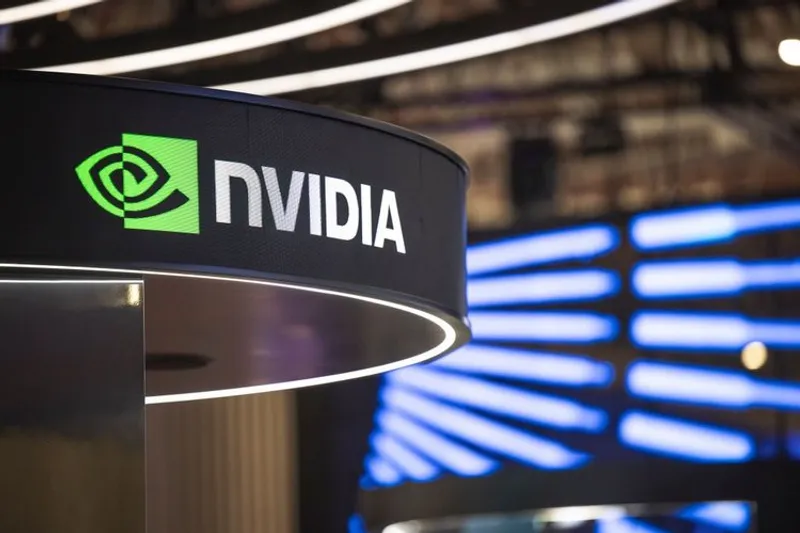
- NVIDIA is the clear winner, projected at $333 billion AI chip sales in fiscal 2027, while AMD, Broadcom, Samsung, TSMC, SK Hynix, and Micron rush to scale.
- Intel Foundry could reach $16 billion by 2030 and $48 billion by 2035 as 14A mass production targets 2028 and aims to challenge TSMC.

The AI boom is no longer just a GPU story. It is a whole supply chain scramble, and the next quarter will reward whoever can ship more than whoever can market more.
The AI boom is no longer just a GPU story. It is a whole supply chain scramble, and the next quarter will reward whoever can ship more than whoever can market more.
Q&A
If CPU demand keeps rising faster than GPU demand, which existing chip makers are best positioned to benefit next?
Any supplier with strong data center CPU roadmaps and flexible manufacturing access should gain share, especially Intel as it scales Xeon and builds Foundry capacity.
What happens to chip pricing power if memory shortages ease while AI demand stays hot?
Memory revenue could compress if supply catches up, shifting profitability from scarcity pricing toward volume and packaging, while GPU and CPU competition intensifies.
Why might Intel Foundry succeed even if TSMC still leads at the cutting edge?
Intel Foundry can win customers with specific process needs, tighter supply assurances, or product design compatibility, particularly if large buyers prefer multi source risk reduction.
What is the most likely way AI spending could cool, and how would that hit semiconductor stocks first?
Enterprise ROI scrutiny and slower model deployment could delay new data center builds, hitting orders for the newest ramps before broader demand declines.
How could the CPU to GPU mix change influence cloud infrastructure planning over the next five years?
Cloud providers may redesign clusters for higher CPU ratios, altering server procurement, networking layouts, and scheduling software to better support agentic workflows.
Top in AI
Nvidia Rubin CPX stalls as Groq integration tightens supply math

YouTube boosts AI labels as detection automation ramps

ElevenLabs brings Stan Lee voice, likeness back via licensing pact

PostHog trains AI models using customer data

No comments yet. Be the first to share your thoughts!