
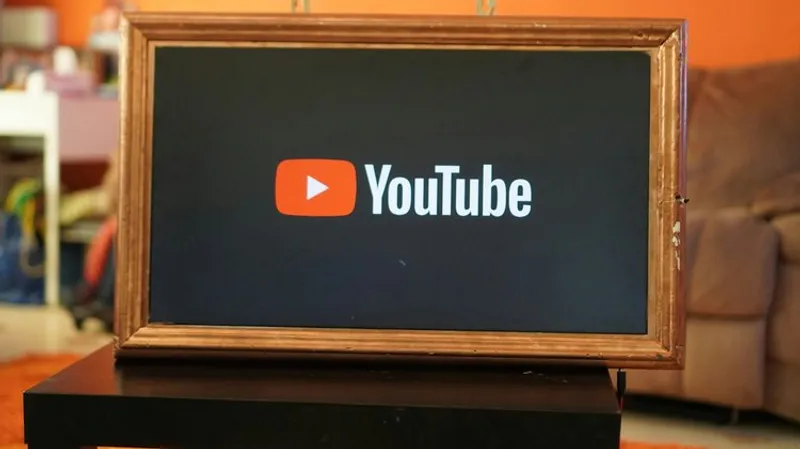
TLDR: SAN FRANCISCO—YouTube will automatically label videos it detects as significant photorealistic AI use if creators do not disclose genAI. Labels tied to Google tools Dream Screen or Veo and C2PA watermarks stay permanently.
Key Takeaways:
- YouTube already requires creators to disclose realistic looking AI use before posting.
- New systems scan uploads and can add an AI label under the player or on Shorts overlay when disclosure is missing.
- Labels can be updated only sometimes, but Dream Screen, Veo, or C2PA watermarks make the label permanent.

This is YouTube putting a digital truth serum into the upload pipeline. If you want to avoid the label, the safest move is to disclose early and consistently.
This is YouTube putting a digital truth serum into the upload pipeline. If you want to avoid the label, the safest move is to disclose early and consistently.
Q&A
What happens when a creator disagrees with YouTube’s detection after the label appears?
YouTube says creators can update their disclosure if they believe the label was included in error, but the path depends on whether the video trips the permanent triggers.
Why does C2PA matter for permanence compared with other detection signals?
C2PA watermarks are built to provide provenance. If present, YouTube treats the evidence as durable, so it will not remove the label later.
How could the new label placement change what audiences choose to click and share?
Putting the label directly under the player and on Shorts overlays makes AI use more visible at decision time, which can shift viewer behavior without blocking content.
What pressure does this create for creators who use AI tools for lightweight edits rather than full generation?
Creators may need to disclose more cases, because the rule focuses on meaningfully AI altered or generated content, which can include subtle but detectable changes.
How might this approach influence other platforms that currently rely mostly on voluntary labeling?
If YouTube shows that automated detection reduces confusion and moderation friction, competitors may adopt similar scanning and visible labeling to meet rising user trust demands.
Top in Big Tech
Gemini in Chrome lands on Android this June
Instagram tightens Android HDR with Ultra HDR and Night Sight

Googlebooks pressures Chromebooks by going Android first
Google pushes Gemini and Android 17 before I O 2026
No comments yet. Be the first to share your thoughts!