
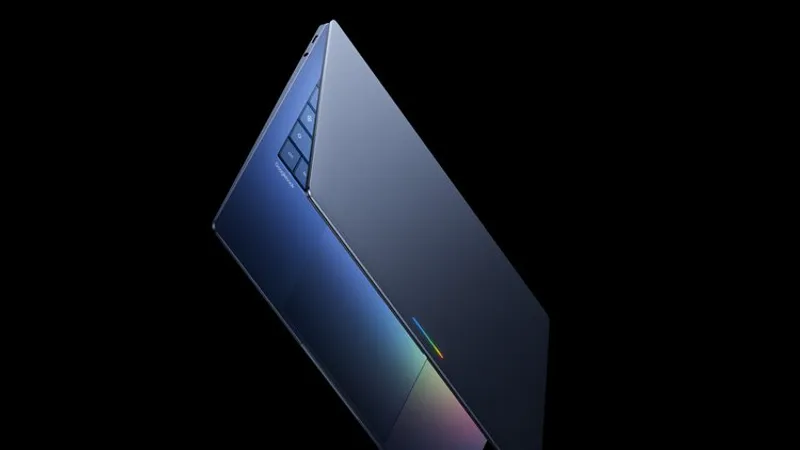
TLDR: LONDON—Google confirmed Googlebooks, Android OS based laptops launching this fall with tighter Android phone integration and Gemini upgrades like Magic Pointer. Chromebooks keep full support for years.
Key Takeaways:
- ChromeOS is the current browser centric laptop platform, while Google books the shift toward Android phone first workflows.
- Googlebooks runs on Android roots and adds Quick Access phone sidebar plus dock app grids and Gemini Magic Pointer.
- The platform move could reshape laptop competition, but Google is still vague on hardware and real advantages beyond integration.
- Google says it will start with premium models from Acer, ASUS, Lenovo, Dell, and HP, with no first party laptops.

Google is basically daring Chromebooks to prove they can keep up once phones become the control center. The bet is that a more native Android laptop will make Gemini feel less like a novelty and more like muscle.
Google is basically daring Chromebooks to prove they can keep up once phones become the control center. The bet is that a more native Android laptop will make Gemini feel less like a novelty and more like muscle.
Q&A
If Googlebooks is Android first, what happens to ChromeOS features that users already depend on daily?
Google says it will keep supporting Chromebooks for years, but the user experience may slowly drift as developers and Google features lean harder into Googlebooks.
Why does Google think Gemini needs a new laptop OS surface instead of simply improving apps on ChromeOS?
Googlebooks can tailor inputs like Magic Pointer to the system layer, making AI actions feel more integrated than an add on inside a browser.
Could the Quick Access phone sidebar become the new default way people share files, replacing Quick Share habits?
If it truly provides faster, contextual access from the phone library, users may stop juggling share menus and start treating the phone as a sidecar storage hub.
What would make Googlebooks feel meaningfully different from existing Android app streaming on Chromebooks?
A clearer advantage would be tighter state syncing, smoother launching, and fewer steps between phone apps and laptop workflows, not just similar screens.
How might premium hardware choices and the glowbar hint at a longer play for consumer brand identity?
Google is signaling craftsmanship and design recall, and that can matter if it wants Googlebooks to feel like a category with its own prestige, not a minor Chromebook variant.
Top in Big Tech
Gemini in Chrome lands on Android this June

Instagram tightens Android HDR with Ultra HDR and Night Sight
Google pushes Gemini and Android 17 before I O 2026

Threads users revolt as Meta AI block button disappears

No comments yet. Be the first to share your thoughts!