
Waymo buys Apple’s test ground, betting big on scale
 Apple
Apple Waymo
Waymo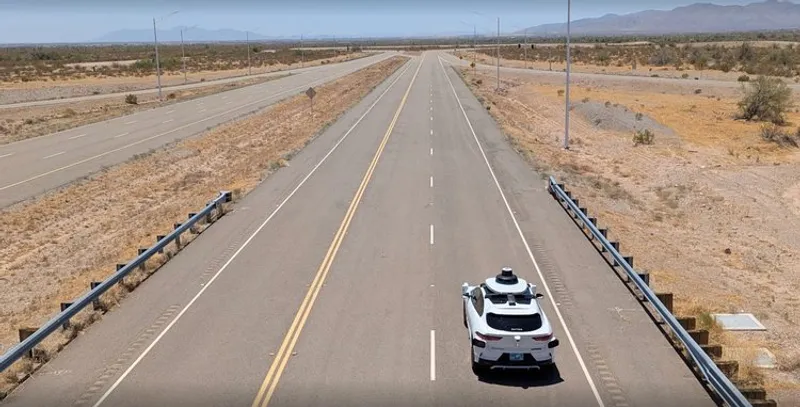
TLDR: WITTMANN, Ariz.—Waymo bought Apple’s former 5,500-acre proving ground in Wittmann, Arizona for $220 million, doubling Apple’s 2021 spend. The move boosts Waymo’s robotaxi scaling with built in urban, freeway, and vehicle dynamics test areas.
Key Takeaways:
- Apple paid $125 million in 2021 for a hot spot proving ground tied to Project Titan, then killed the program in 2024.
- Waymo acquired the 5,500-acre facility for $220 million; filings tie the seller Route 14 Investment Partners LLC to Apple.
- With 115-acre city courses and freeway and oval tracks, Waymo can accelerate rider only testing, training, and future vehicle platform work.

Apple spent like a moonshot and still walked away, but Waymo is turning someone else’s graveyard into an assembly line for real world testing. When scaling is the mission, infrastructure wins debates.
Apple spent like a moonshot and still walked away, but Waymo is turning someone else’s graveyard into an assembly line for real world testing. When scaling is the mission, infrastructure wins debates.
Q&A
Why does owning a proving ground matter more than renting time on other tracks?
Ownership lets Waymo run longer scenario sweeps, refine motion control and training workflows, and repeat tests without negotiating access or schedules.
What does the $220 million price say about demand for autonomous vehicle testing capacity?
It signals that dedicated urban and freeway simulation space has become scarce value, especially as robotaxi operators push toward faster fleet expansion.
How could this site shape Waymo’s targets for the end of the year robotaxi ride goals?
More capacity for controlled testing and operational training can shorten iteration cycles, helping Waymo stabilize systems while adding vehicles.
What might Waymo learn from Apple’s Project Titan pivots that it can avoid next?
Apple’s repeated program rewrites highlight how hard it is to bridge prototypes to deployed autonomy, so Waymo can double down on proven driver stacks and rollout workflows.
If Waymo later integrates its driver into cars from other automakers, what role would this facility play?
It could become a shared validation hub for new vehicle form factors, letting different platforms test the same rider behavior and operational constraints.


No comments yet. Be the first to share your thoughts!