
 OLED
OLED HDR
HDR Future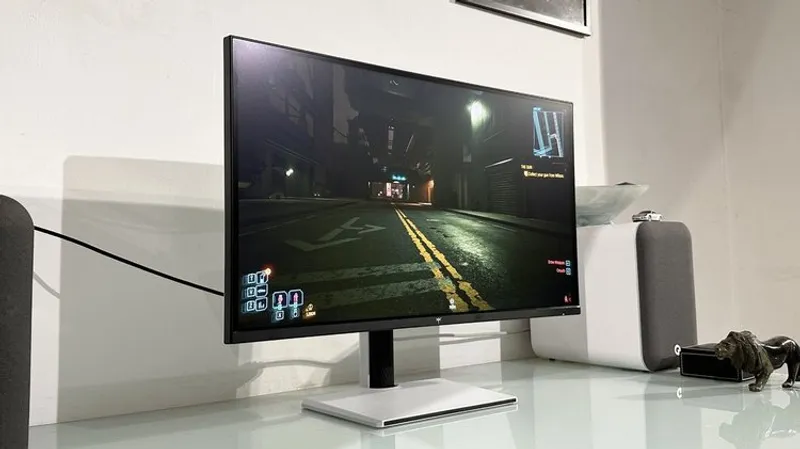
TLDR: KTCs M27T6S proves mini-LED local dimming can feel convincing at $289.99, delivering punchy HDR at 1,000 nits and 1,152 zones. It still falls short of OLED black precision in dark scenes.
Key Takeaways:
- Context: The review starts skeptical of mini-LED LCDs, citing past issues like blooming, light bleed, and visible zone behavior compared with OLED gaming monitors.
- Main fact: The 27 inch KTC M27T6S uses an IPS panel with VESA DisplayHDR 1000, 1,000 nits, 1,152 dimming zones, and 200 Hz refresh.
- Meaning: Local dimming looks unusually smooth for the price, but IPS limitations still show up at night with matte haze and glow, making OLED the clearer choice.

Budget mini-LED has long felt like a tradeoff pitch. This one flips the script by making local dimming less noticeable, even if OLED still wins the darkness test.
Budget mini-LED has long felt like a tradeoff pitch. This one flips the script by making local dimming less noticeable, even if OLED still wins the darkness test.
Q&A
If the KTC M27T6S avoids zone popping, what does that suggest about how mini-LED algorithms are evolving?
It points to smarter zone control that reduces obvious on off transitions. The result is fewer visible backlight artifacts during motion content like star fields.
Why do brighter HDR scenes favor mini-LED more than dark scenes?
Mini-LED excels when highlights dominate because zones can ramp brightness efficiently. In darker frames, IPS backlights and matte coatings still leak and glow.
What should shoppers infer about the true value of 4K at $290?
4K helps clarity, but the money is really going toward HDR and speed. The review suggests the GPU requirements make 4K optimization a separate decision.
What is the practical difference between lighting precision and pixel response for gamers choosing between OLED and mini-LED?
OLED mostly wins on how exact blacks and dimming edges look. Mini-LED can match motion feel closely, but lighting accuracy in dark content remains the deciding factor.
If local dimming has historically raised prices, how might this review influence future monitor pricing and specs?
It undermines the assumption that full-array dimming must be expensive. If budget models keep improving algorithms, expect more midrange HDR displays to challenge OLED on highlights and value.





No comments yet. Be the first to share your thoughts!