
 AI
AI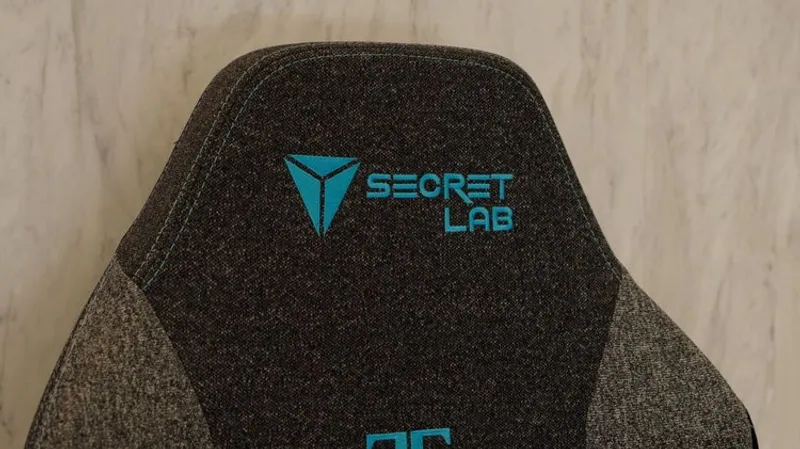
TLDR: SINGAPORE—Secretlab CEO Ian Ang says AI will not be forced into its chairs, arguing outside investors would push it. The Atlas task chair launches at $499 as Secretlab files patents to fight copycat designs.
Key Takeaways:
- Secretlab grew from esports roots in Singapore, then scaled gaming staples like Omega, Titan, and Titan Evo.
- Ang links copycat worries to design plagiarism and says Secretlab patents include Titan Evo features and monitor arms under Vincent Sin.
- Atlas pricing and proprietary materials show a focus on manufacturing investment over quick add ons like AI or cheaper budget variants.

AI is the default add on in consumer tech, but Secretlab is treating it like an optional tool, not a trophy. Their real flex is the unglamorous part: patents, supplier deals, and the courage to say no to “good enough.”
AI is the default add on in consumer tech, but Secretlab is treating it like an optional tool, not a trophy. Their real flex is the unglamorous part: patents, supplier deals, and the courage to say no to “good enough.”
Q&A
If investors would pressure AI, what does Secretlab’s ownership structure buy them besides timing?
It gives Ian Ang and Alaric Choo room to decide based on product utility, not investor narratives or adoption metrics.
How could anti copycat patents change the competitive playbook for other chair brands?
It can raise the legal and redesign cost of lookalikes, pushing rivals toward distinct ergonomics instead of near clones.
Why does an infinitely adjustable armrest matter for pros, but not necessarily for everyone else?
Esports setups demand tight repeatability and fine positioning, while most buyers rarely tune beyond comfort and height.
What happens if ergonomic science shifts away from current posture advice?
Secretlab says it would update, but it still bets on flexible design principles, since “next posture” implies continuous variation rather than one fixed rule.
If mesh returns through experiments like the NeueChair, could Secretlab eventually broaden beyond foam even while defending proprietary materials?
Yes, because the company frames materials as functional choices, not dogma, but it will only move when testing proves the tradeoffs.




No comments yet. Be the first to share your thoughts!