
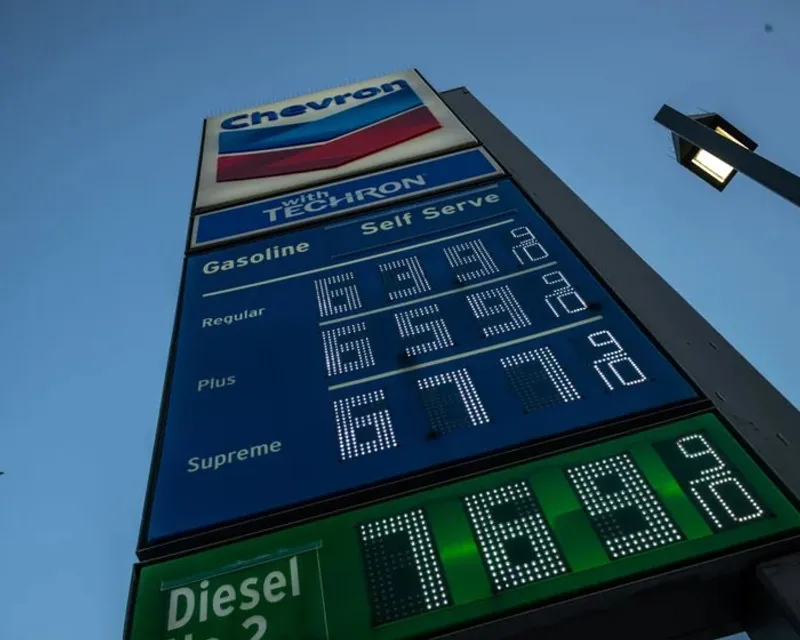
TLDR: WASHINGTON—Even if the Iran war ends, US fuel prices probably will not normalize in 2026. Prewar US gas averaged about $3 a gallon, and that level is unlikely to return soon.
Key Takeaways:
- US drivers are already paying more after war linked oil and inflation pressures pushed pump prices higher for months.
- Prewar US gas averaged about $3 a gallon, but analysts expect elevated prices to linger through 2026 even with an Iran peace deal.
- The end of fighting may cool headlines, yet supply, pricing behavior, and inflation dynamics can keep consumer costs stubbornly high.

Peace would be a win for headlines, but your gas tank lives on market logic. Once prices reset upward, they rarely snap back on command, not even for a ceasefire promise.
Peace would be a win for headlines, but your gas tank lives on market logic. Once prices reset upward, they rarely snap back on command, not even for a ceasefire promise.
Q&A
If the war ends, what stops oil prices from instantly falling to prewar levels?
Global pricing depends on supply expectations, risk premiums, and how traders unwind positions. Even a ceasefire can leave those adjustments unfinished for months.
Why does a single geopolitical shock keep affecting consumers long after the headlines fade?
When risk premia enter contracts and logistics planning, companies and refiners price uncertainty into the system. The costs can persist even after the original trigger disappears.
How could inflation make pump prices harder to bring down quickly?
Higher fuel feeds into broader goods and services costs, shaping wages, transport rates, and retail pricing. That momentum can delay disinflation at the pump.
What would actually signal faster relief for US drivers this year?
Sustained declines in benchmark crude prices, improved refinery utilization, and stronger gasoline supply would matter more than political milestones.
Does US policy change the trajectory, or mainly the timing?
Policy can influence inventories, releases, and refining constraints, but it usually affects the pace not the fact that markets reprice risk. Relief tends to be partial unless supply and demand clearly shift.
Top in Economy

Iran war shock pressures Ofgem price cap upward
Stocks hit highs while spending confidence drains fast

LAUSD rewrites classroom device rules amid mounting screen backlash

Iran war lifts diesel costs as farmers face crunch

No comments yet. Be the first to share your thoughts!