
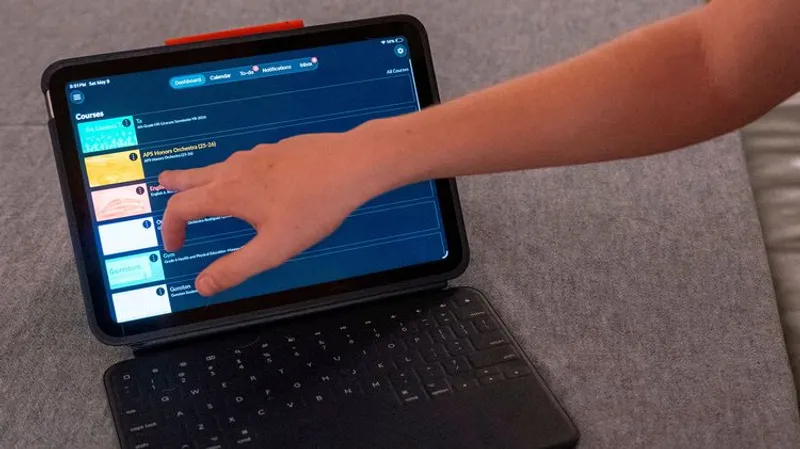
TLDR: LOS ANGELES—Los Angeles Unified School District will stop device distribution until second grade, cap daily screen time, block YouTube, and restrict devices during recess and lunch. The shift follows parent and teacher complaints that Chromebooks and apps drive distraction and undermine home screen limits.
Key Takeaways:
- Schools accelerated device rollouts during COVID 19, with 96% of U.S. public schools reporting student devices by 2021 to 2022.
- LAUSD adopted a fall screen time policy requiring no devices until second grade, YouTube blocks, and device free lunch and recess, plus a $1.6 billion contract audit.
- Parents and state lawmakers now treat school screens as a health and accountability issue, pushing pilots like device opt out and in class only access.

The original promise was tech for equity, but the daily reality for some families is YouTube on the bus and apps replacing books. LAUSD is betting that learning does not need a screen glued to every minute.
The original promise was tech for equity, but the daily reality for some families is YouTube on the bus and apps replacing books. LAUSD is betting that learning does not need a screen glued to every minute.
Q&A
If screens are capped, which classroom activities are most likely to keep moving online anyway?
Schools will likely preserve online systems tied to attendance, grading, and required app based coursework, then redesign lessons around offline practice for reading, writing, and discussions.
What happens to students who already rely on devices for accommodations or accessibility tools?
Districts will be pressured to separate essential assistive features from entertainment driven use, often requiring individualized plans rather than one blanket screen policy.
Why did the backlash focus on school issued devices after cellphone limits became normal?
Parents learned phones were not the full problem once laptops and tablets became the main gateway to games, video, and “helpful” translation tools during school hours.
How could contract audits change the incentives schools face with edtech vendors?
Audits can trigger renegotiations, reduce licenses, and force districts to justify renewals with measurable learning outcomes instead of usage metrics.
If device take home rolls back, will the digital divide widen or shrink?
It can shrink for families that struggle with home screen overwhelm, but it could widen if homework stays online, making offline alternatives and local support key.
Top in Economy

Iran war lifts diesel costs as farmers face crunch

Entrepreneurs chase AI wins, while competitors build advantages

Indiantown braces as FPL eyes hyperscale data centers

Watches and burrito taxis show Americans buying small comfort

No comments yet. Be the first to share your thoughts!