
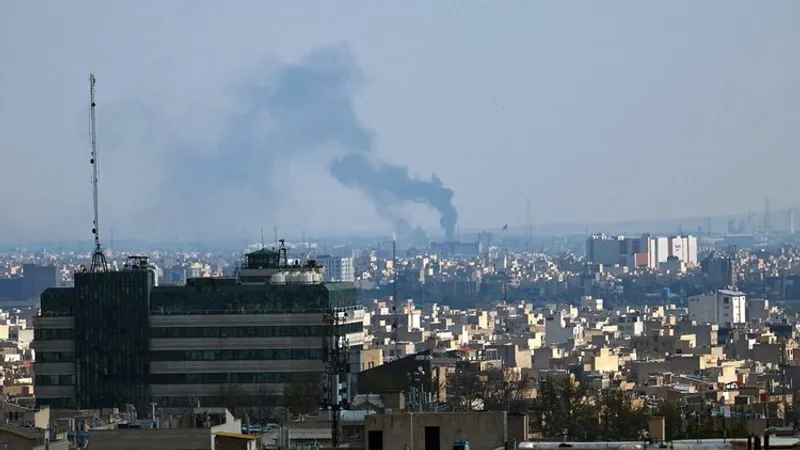
TLDR: Iran released footage claiming its air defenses fired on American drones and a fighter jet, in an incident that nearly broke a fragile ceasefire. The Trump administration says a framework peace deal could land this week, extending the ceasefire 60 days, opening the Strait of Hormuz, and launching talks on Iran’s nuclear programs.
Key Takeaways:
- Ceasefire talks hinge on reducing risks in the Strait of Hormuz and Iran nuclear negotiations.
- Iran released new footage claiming air defense fire at U.S. drones and a fighter jet as strikes resumed.
- A 60 day ceasefire extension could stabilize shipping, but fresh incidents keep the deal on thin ice.

Ceasefires between Washington and Tehran do not just need paperwork. They need behavior that survives the next drone flight, the next misread signal, and the next window for a deal.
Ceasefires between Washington and Tehran do not just need paperwork. They need behavior that survives the next drone flight, the next misread signal, and the next window for a deal.
Q&A
What would have to change operationally for a 60 day ceasefire extension to actually hold?
Both sides would likely need clearer rules of engagement around drones, aircraft approaches, and interception claims so that “defense” does not automatically become retaliation.
Why does control of the Strait of Hormuz matter even when the public focus stays on nuclear talks?
Hormuz drives immediate economic and security leverage. Any threat to shipping turns diplomacy into crisis management, compressing the time available to negotiate nuclear terms.
How can footage accusations harden positions even if leaders are aiming for a deal?
Visual proof claims create domestic and alliance pressure. Once an incident becomes a narrative, backing off without consequences can feel politically impossible.
What happens to enforcement if a framework deal is reached but incidents keep occurring?
The deal may still extend the ceasefire, but credibility erodes. Each new strike raises the risk that monitoring fails or that one incident triggers a wider breakdown.
Do historical U.S. Iran ceasefire patterns suggest optimism or caution for the next negotiation window?
Past pauses often struggled with trust and retaliatory cycles. The current window may still produce a framework, but sustained calm typically requires verifiable restraint, not just pledges.


No comments yet. Be the first to share your thoughts!