
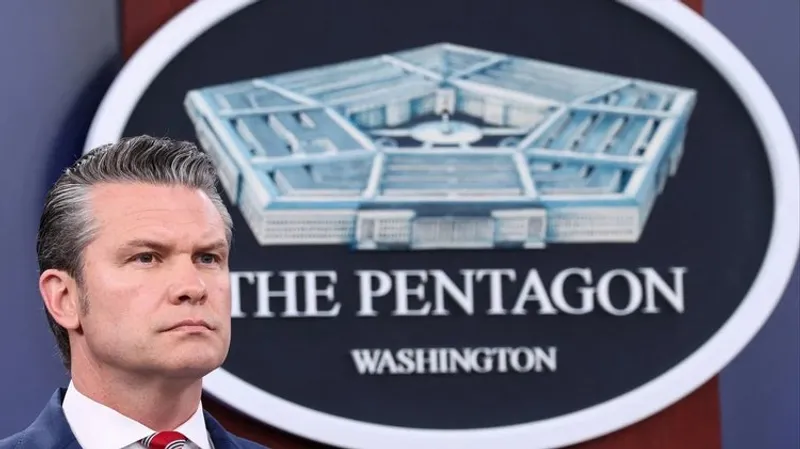
TLDR: SINGAPORE—Pete Hegseth speaks at Shangri La Dialogue in Singapore, acting as the test of Xi Trump resets. Analysts also watch US Iran peace signals.
Key Takeaways:
- Beijing and Washington use Shangri La to signal strategy on Taiwan and the South China Sea.
- Defense Secretary Pete Hegseth’s speech anchors expectations after the Xi Trump summit, while China’s Defence Minister Dong Jun stays away.
- The forum becomes a real time scorecard for regional stability, US commitments, and whether Iran and Asia security concerns align.
- For regional risk, attendees focus on US plans, China’s security posture, and hard lines on Taiwan and the South China Sea.

A summit can reset headlines, but speeches settle instincts. At Shangri La, Hegseth’s wording will matter as much as Xi Trump’s photo op.
A summit can reset headlines, but speeches settle instincts. At Shangri La, Hegseth’s wording will matter as much as Xi Trump’s photo op.
Q&A
If Dong Jun skips Shangri La again, what does that say about Beijing’s desired tempo for US China engagement?
It suggests China may prefer tighter, higher control channels rather than visible, side by side diplomacy that could lock both sides into expectations.
What specific signals would most directly indicate that US efforts on Iran are compatible with Asia Pacific security promises?
Credible steps like deconfliction mechanisms in the region and clear public prioritization that keeps defense commitments steady, not shifted or diluted.
Why could Hegseth’s speech reveal more than the Xi Trump summit itself?
Summits are negotiated outcomes, but speeches expose baseline positions, red lines, and near term follow through that bureaucracies can actually execute.
What happens next if Hegseth avoids sharp language on Taiwan and the South China Sea?
Observers will likely read it as tactical calm that buys time, but they will also test whether new quiet is matched by concrete military and crisis communication steps.
How does this year’s Iran war context change the usual Shangri La focus on US China rivalry?
It adds a second battlefield of credibility: whether the United States can manage Middle East spillover without weakening the deterrence posture that Asia Pacific states expect.


No comments yet. Be the first to share your thoughts!