
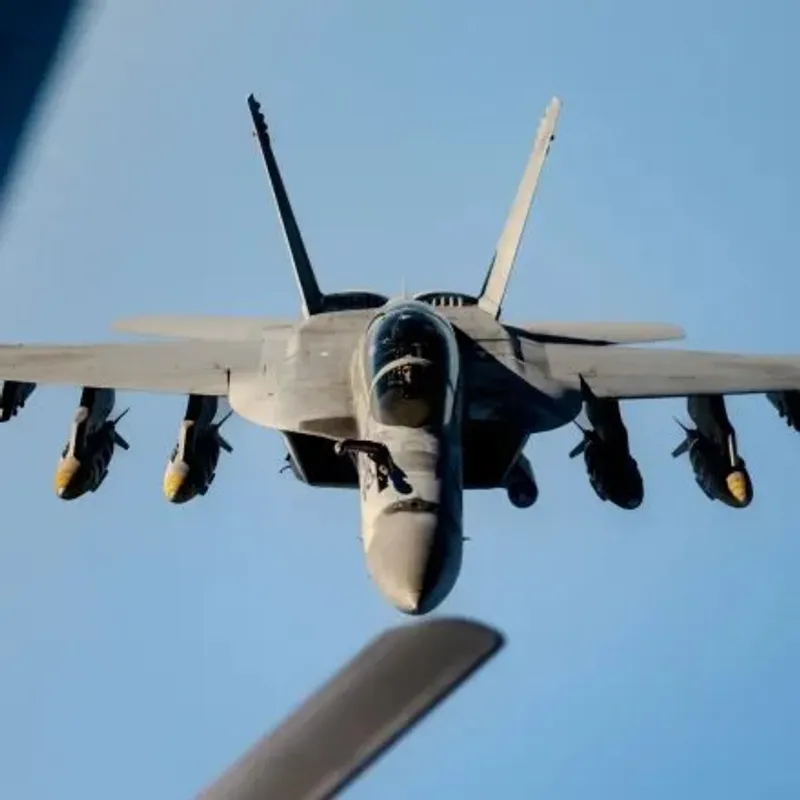
TLDR: WASHINGTON—Sebastian Gorka claims Trump ordered an early ISIS Somalia strike, yet Somalia fatalities surged. The mismatch fuels doubts about lethal targeting.
Key Takeaways:
- Trump’s second term leaned hard on aggressive targeting, with Somalia strikes accelerating after loosened rules of engagement.
- Gorka says Trump told him to “Kill him” in the Oval Office, then airstrikes launched at 8:45 a.m. and soon ISIS bragging followed.
- Pentagon and Somalia metrics show rising deaths linked to al Shabaab and ISIS despite claims of annihilation, with critics citing civilian harm.
- The administration cites body counts like 860 jihadis killed, while oversight reviews and investigations describe lower civilian protections for adult men.
- Strike tempo claims keep climbing, including 126 attacks last year and 64 this year, while AFRICOM still flags ISIS threats to the homeland.

If “kill more bad guys” were a cure, Somalia would have stopped writing the diagnosis. Instead, the body counts and the map keep moving in the wrong direction.
If “kill more bad guys” were a cure, Somalia would have stopped writing the diagnosis. Instead, the body counts and the map keep moving in the wrong direction.
Q&A
If ISIS and al Shabaab threats persist, what role do intelligence and patience play versus single strike outcomes?
Analysts argue long surveillance can build cases and disrupt networks more effectively than repeated whack a mole raids on individual targets.
Why do public claims of ISIS defeat keep clashing with official targeting language like ISIS Somalia?
The gap suggests political messaging built on declared milestones may not match operational realities, where ISIS branded cells can reappear quickly.
What changes when loosened rules increase strike frequency but also complicate civilian protection?
More frequent strikes can degrade local legitimacy, increase civilian casualties, and ultimately feed the recruitment pipeline that sustains armed groups.
How could AFRICOM admissions about ISIS collaboration across regions affect U.S. priorities in Somalia and beyond?
Broader ISIS cooperation would push planners toward network disruption, not only country specific targeting and not only Somalia centered operations.
What accountability pressure could emerge if investigations find civilians killed without clear remedies?
Sustained scrutiny can drive oversight demands, tighter targeting standards, and potential reforms to strike authorization and review processes.



No comments yet. Be the first to share your thoughts!