
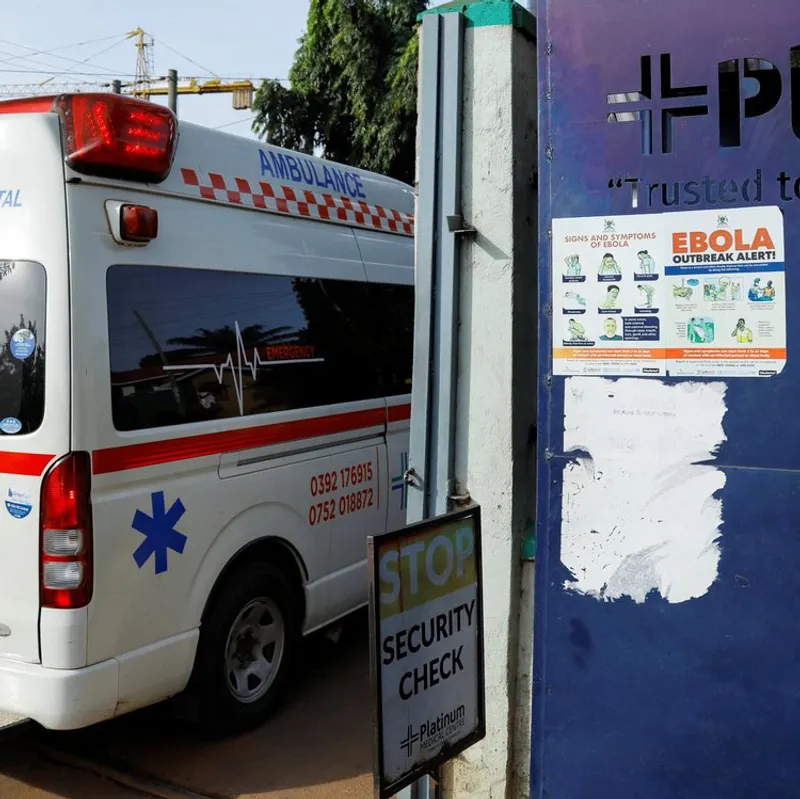
TLDR: KENYA—The Trump administration will send Americans exposed to Ebola to Kenya for treatment, echoing past evacuations. The move highlights growing urgency in U.S. response.
Key Takeaways:
- In prior Ebola outbreaks, the U.S. evacuated exposed Americans to high level state facilities after testing and monitoring.
- Officials are arranging flights of exposed Americans to Kenya, after already sending some U.S. citizens to Europe for Ebola care.
- The Kenya decision signals a willingness to expand treatment hubs abroad, aiming to reduce delays while keeping U.S. risk tightly managed.

It is a classic emergency playbook, just with a different runway. Moving care closer to the outbreak can save hours, but it also tests coordination across borders and agencies.
It is a classic emergency playbook, just with a different runway. Moving care closer to the outbreak can save hours, but it also tests coordination across borders and agencies.
Q&A
Why does shifting treatment from the U.S. to Kenya speed things up, even when it looks riskier at first glance?
When care and isolation capacity sit nearer the outbreak geography, clinicians can start monitoring and supportive treatment sooner, reducing time in transit when timing matters for containment.
What has to go right for an evacuation plan to avoid turning exposure into wider spread?
Clear criteria for who qualifies as exposed, reliable transport infection control, and strict handoffs between local public health teams and U.S. medical staff.
How does sending some Americans to Europe before Kenya change expectations for what happens next?
It suggests the administration may keep adding regional treatment routes, turning Ebola care into a rolling logistics problem rather than a single destination decision.
How do past Ebola responses influence the choice of treatment hub for exposed Americans?
Earlier outbreaks showed that dedicated isolation and experienced clinical teams matter more than distance, pushing planners toward locations that can replicate those capabilities.
If exposure is defined differently than the public imagines, what could that mean for community confidence?
People may expect evacuation for anyone nearby, but officials usually use tighter exposure thresholds. That mismatch can shape trust even if medical decisions follow evidence.





No comments yet. Be the first to share your thoughts!