
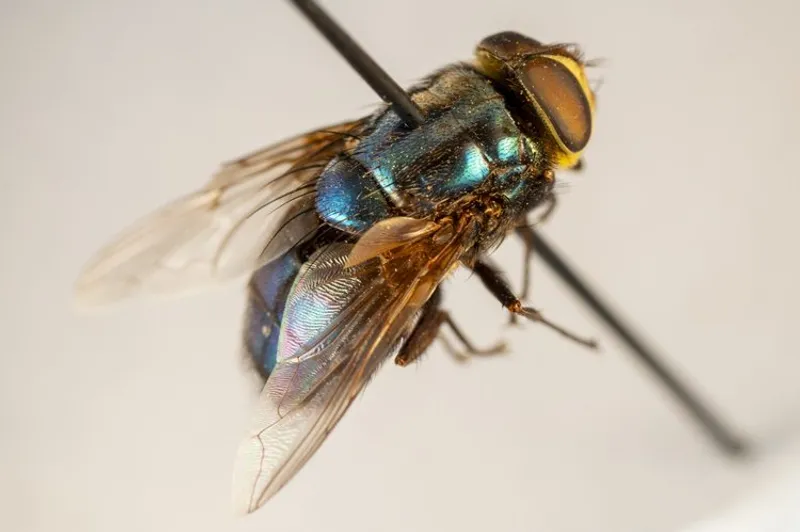
TLDR: EDINBURG, Texas—The New World screwworm spreads through Mexico and Central America, and officials expect it to reach the U.S. soon. USDA bans live cattle imports, while states expand testing, quarantine, and sterile male fly releases to protect livestock and blunt price shocks.
Key Takeaways:
- The New World screwworm was eradicated from the U.S. in the 1960s, but it has moved within 100 miles of the Texas border, with cases across Mexico and Central America.
- USDA and states tightened monitoring and testing and started sterilizing plans, including a $750 million facility in Edinburg, Texas, aiming for up to 300 million sterile flies weekly.
- Ivermectin and other emergency prevention and treatment are approved, but officials warn against early overuse and warn dairies and pets may face losses if quarantines hit processing.
- Beef prices already rose sharply, with ground beef averaging $6.90 per pound, and the Mexico live cattle import ban plus outbreaks could cause further market disruption.

This is the kind of biosecurity problem that does not need a big headline to start a big bill. Even before a single fly lands, the market reacts, and the fixes arrive slowly, expensively, and with strings attached.
This is the kind of biosecurity problem that does not need a big headline to start a big bill. Even before a single fly lands, the market reacts, and the fixes arrive slowly, expensively, and with strings attached.
Q&A
If sterile male releases work, why do officials still expect U.S. infestations instead of complete prevention?
Sterile fly programs can progressively reduce populations, but they do not stop every immigrant fly from surviving the early phase. Officials anticipate gaps in timing, geography, and detection, so they plan for outbreak containment even while the sterile program ramps up.
How could ivermectin use become a long term public health and agriculture risk, even when it is lifesaving?
When preventive treatment gets used too early or too widely, parasites can face selection pressure. Regulators are pushing for judicious use to avoid resistance that would later reduce treatment effectiveness across ranches and veterinary settings.
Why does the screwworm threat hit dairies faster than beef operations?
Beef can wait through quarantine and feeding cycles, but dairy milk must be processed daily. If facilities shut down or animals are isolated, milk can spoil quickly, forcing immediate disposal and widening the financial hit.
What is the most operationally vulnerable moment for producers, beyond obvious wounds?
Newborn calves with exposed umbilical cords can create an entry point even when producers think wounds are minimal. Branding and tagging also matter because small injuries become access routes for larvae.
Could the import ban on live cattle backfire by changing where supply and demand pressure lands next?
Yes. By removing a predictable source of animals feeding U.S. pastures and feedlots, the ban can tighten supply and amplify price swings. Those spikes can then affect consumer behavior, feed choices, and inventory decisions across the entire beef pipeline.



No comments yet. Be the first to share your thoughts!