
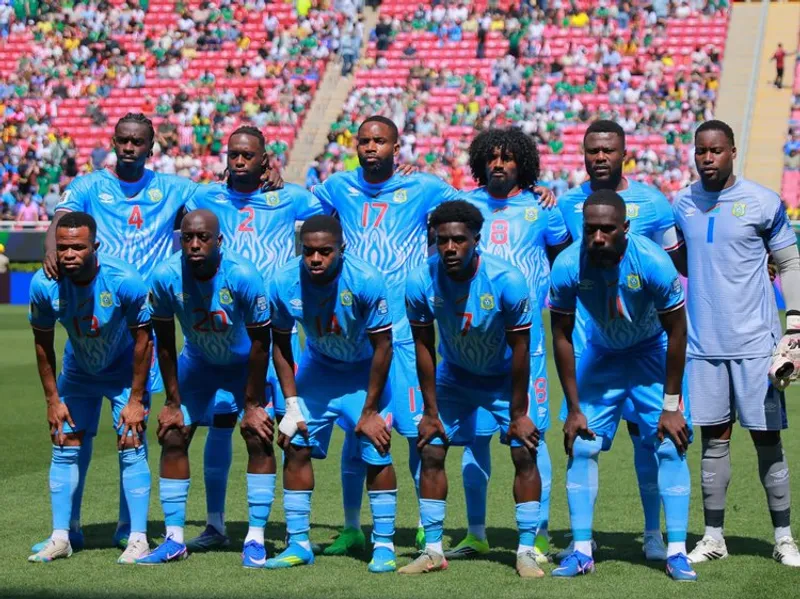
TLDR: HOUSTON—DR Congo says FIFA cleared its World Cup delegation for US Ebola protocols after talks, canceling a Kinshasa training camp and relocating preparations. The Leopards can enter the US and compete as the World Health Organization flags a very high risk of Ebola spread.
Key Takeaways:
- DR Congo qualified for the World Cup through intercontinental playoffs amid an active Ebola alert and travel scrutiny.
- FECOFA and FIFA confirmed compliance with US Ebola health rules, including canceling a Kinshasa camp and completing required isolation in Europe.
- With the Leopards set for Houston and Group K matches starting June 17, health checks now hinge on squad and fan entry logistics.

This is what compliance looks like when disease control meets matchday reality: paperwork, isolation time, and a canceled camp instead of bravado. For the Leopards, the hard part becomes keeping that green light as the tournament and travel plans stack up.
This is what compliance looks like when disease control meets matchday reality: paperwork, isolation time, and a canceled camp instead of bravado. For the Leopards, the hard part becomes keeping that green light as the tournament and travel plans stack up.
Q&A
What could still derail DR Congo’s US tournament timeline even after delegation clearance?
Any last minute health incidents, changes to isolation timing, or noncompliance by traveling staff or late arrivals could force further reviews despite the initial clearance.
How does relocating preparations to Europe change the risk picture for both players and US organizers?
It reduces direct exposure tied to Kinshasa while aligning with US entry requirements, but it also concentrates monitoring on where the squad is based and when they transit.
Why does a visa snag for ticketed fans matter to tournament operations beyond individual attendance?
Crowd planning depends on predictable entry flows; refund discussions with FIFA signal a potential strain on ticketing, security, and stadium capacity management.
What does this clearance signal about how FIFA handles public health emergencies during elite tournaments?
FIFA appears willing to adjust training and travel logistics to satisfy host country rules, using delegation level compliance as a gatekeeping tool for participation.
How does the World Health Organization’s Ebola risk framing shape expectations for future cross border sports travel?
With a very high risk assessment, expectations shift toward stronger pre travel screening, tighter isolation coordination, and faster decision making if outbreaks worsen.



No comments yet. Be the first to share your thoughts!