
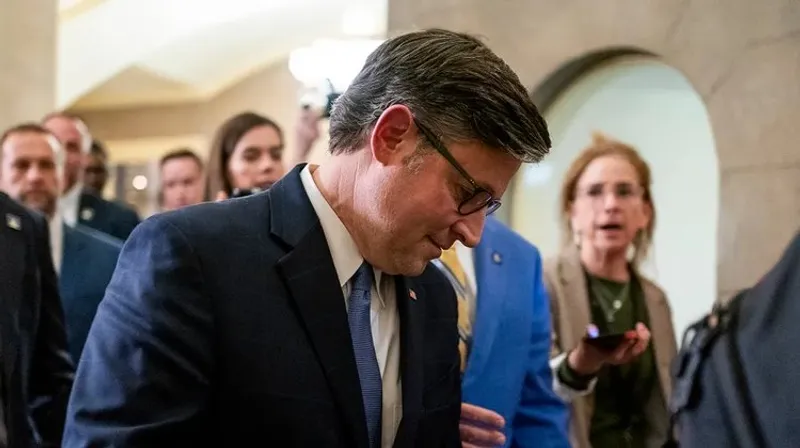
TLDR: WASHINGTON—House and Senate Republicans are split over Trump’s anti weaponization fund, setting up an inter chamber showdown next month.
Key Takeaways:
- Republicans left Washington anger simmering in both chambers, but each side blamed a different detail of the anti weaponization plan.
- House and Senate Republicans differ sharply on Trump’s proposed anti weaponization fund, and both camps are entering the next legislative stretch ready to fight.
- If the dispute carries into the next Congress, the fund could become a forcing issue that reshapes negotiations on broader policy and spending.

When your own party turns into opposing weather systems, the real casualty is momentum. This fund fight could slow the agenda before anyone even argues policy.
When your own party turns into opposing weather systems, the real casualty is momentum. This fund fight could slow the agenda before anyone even argues policy.
Q&A
What leverage could the House or Senate use to force the other chamber to yield on the anti weaponization fund?
The most likely leverage is procedural control over appropriations language, with committees and floor schedules shaping what each chamber is willing to trade for.
How could the anti weaponization label itself complicate coalition building among Republicans?
Even within a party, tough sounding program names can trigger competing views on oversight and scope, making members less flexible when details are contested.
What would a compromise look like if House and Senate GOPs disagree on the fund’s structure rather than its existence?
A plausible path is partial funding paired with tighter reporting or narrower eligibility, letting each chamber claim it protected priorities while preventing a full shutdown.
Why might Republicans choose to fight early instead of letting the issue fade during recess?
Early fights can lock in positions before negotiations shift to end of session bargaining, when concessions are harder to sell to skeptical constituencies.
If this standoff escalates, what precedent from past intra party spending disputes could guide how Congress resolves it?
Historically, when parties clash on funding streams, resolution often comes through conference negotiations that rewrite details, not through a clean vote that satisfies both chambers at once.
Top in Congress

Booed GOP Rep Flood faces Epstein and Iran backlash

Trump’s White House security bill collides with GOP politics

DOJ vindictive prosecution ruling fuels Smartmatic and SPLC challenges

Trump slush fund pressures Republicans to cut ties

No comments yet. Be the first to share your thoughts!