
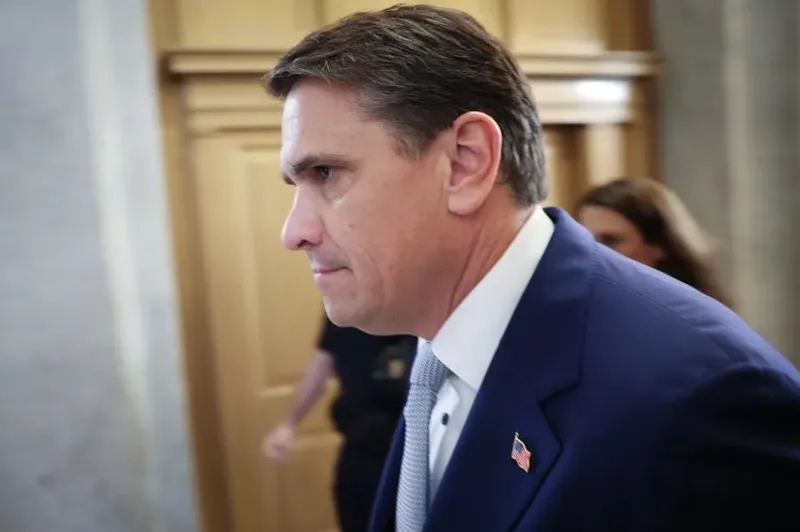
TLDR: WASHINGTON—Republicans tied to Trump are increasingly turning against a “slush fund” effort involving Rep Blanche, worried about electoral fallout and career risk if they defend it.
Key Takeaways:
- Context: GOP lawmakers fear being branded radioactive for protecting Trump allies tied to “slush fund” allegations.
- Main fact: Resistance is building inside the party as Republicans refuse to stake their jobs on defending Blanche.
- Meaning: The pressure increases for lawmakers to distance themselves before retaliation and investigations escalate.

Trump still expects Capitol Hill to eat the consequences. But when the risk stops landing on him and starts landing on reelection, loyalty gets expensive fast.
Trump still expects Capitol Hill to eat the consequences. But when the risk stops landing on him and starts landing on reelection, loyalty gets expensive fast.
Q&A
Why does the “slush fund” label matter so much to rank and file Republicans even if they distrust the accusations?
Because voters can translate vague corruption narratives into simple punishment at the ballot box, turning legal ambiguity into electoral certainty.
What happens next if Republicans keep refusing to publicly defend Blanche while Trump demands support?
You are likely to see quieter alignment through legislative votes, paired with public silence that signals distancing without breaking party unity.
How does internal distrust change committee strategy inside Congress when backlash targets a GOP member’s allies?
Leadership tends to shift resources toward safer messaging and investigations, while rivals test whether the coalition will hold under subpoena level pressure.
Is the backlash driven more by ethics risk or by election math, and why would that distinction shift outcomes?
Election math usually wins because lawmakers manage political survival first; once polling and fundraising signals harden, ethics arguments become secondary.
Could this moment shape future GOP discipline rules around candidates and allies linked to scandal?
Historically, repeated damage from high profile allies pushes parties toward tougher vetting and faster distancing tactics when reputational risk spikes.
Top in Congress

Trump’s White House security bill collides with GOP politics

DOJ vindictive prosecution ruling fuels Smartmatic and SPLC challenges

Florida map holds as DeSantis wins first court fight

Andy Kim reports pepper spray amid Newark ICE protest standoff

No comments yet. Be the first to share your thoughts!