
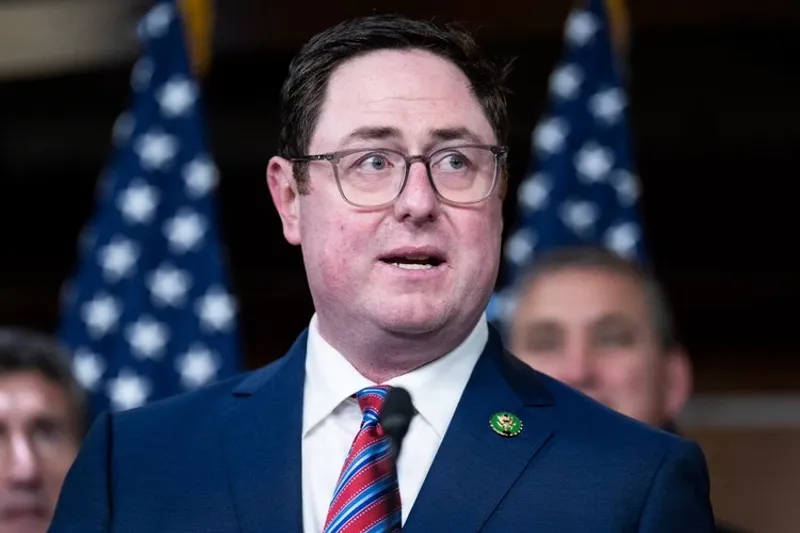
TLDR: NORFOLK, Neb.—Republican Rep. Mike Flood’s Norfolk, Nebraska town hall turned into a boo filled confrontation over Iran war expenses, delayed Epstein files, and Trump’s $1.8 billion slush fund. Residents challenged his failure to release records and pressed him to explain why he supports hawkish policies despite rising costs.
Key Takeaways:
- Norfolk, Nebraska constituents grilled Rep. Mike Flood on Iran, White House security, Epstein transparency, and immigration enforcement.
- Fremont resident Kim Stabbe cited the Epstein Transparency Act while Flood said the files should be released by law.
- Flood backed the $1.8 billion slush fund but opposed a fund for people who attacked Capitol Police, promising oversight review.

Flood got the rare town hall outcome where applause did not do the job. When constituents connect Epstein secrecy, Iran spending, and taxpayer payoffs into one sentence, the political math turns personal fast.
Flood got the rare town hall outcome where applause did not do the job. When constituents connect Epstein secrecy, Iran spending, and taxpayer payoffs into one sentence, the political math turns personal fast.
Q&A
What happens to Flood’s political position if town hall blowups spread beyond Norfolk?
If similar audiences mirror this mix of Epstein transparency anger and cost fatigue, primary challengers can frame Flood as out of touch and riskier on messaging than his record suggests.
Why did Flood’s answer on the Epstein files fail to land with the crowd?
Voters heard a legal promise without a measurable timeline, so the gap between enacted statements and released records became the real target, not the law’s existence.
How does tying the slush fund debate to Capitol Police attacks change the argument?
It shifts the fight from abstract oversight to a gut level threshold on violence, making it harder for lawmakers to support any relief model that could be portrayed as rewarding harm.
What does Flood’s stance on Iran suggest about the electorate’s tolerance for hawkish policy costs?
Even hawkish voters appear to demand cost accountability, so lawmakers who say they oppose nuclear threats while ignoring budget pain risk being labeled as treating expenses as someone else’s problem.
If the Senate moves forward on oversight, what leverage could the House gain or lose?
House committees can shape timelines and document access, but delays or partisan framing could make oversight feel performative, especially after high profile calls for transparency.
Top in Congress
Trump’s White House security bill collides with GOP politics

DOJ vindictive prosecution ruling fuels Smartmatic and SPLC challenges

Trump slush fund pressures Republicans to cut ties

Florida map holds as DeSantis wins first court fight

No comments yet. Be the first to share your thoughts!