
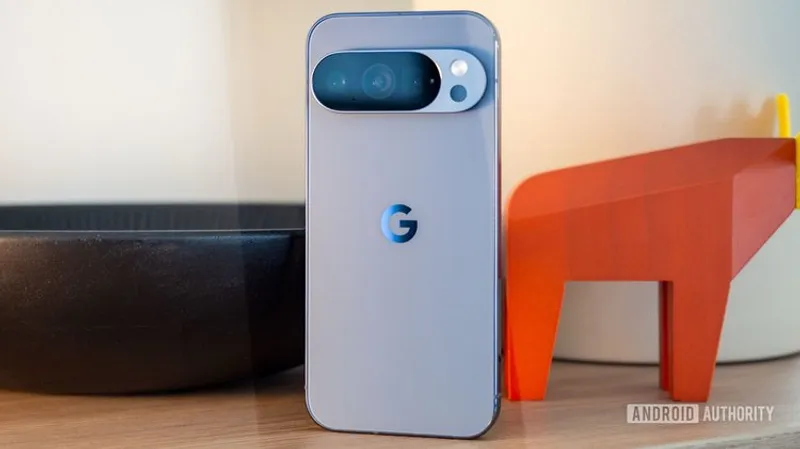
TLDR: WASHINGTON—Omdia reports the US smartphone market fell 3% year on year in Q1 2026, with Google Pixel shipments down 7% as Pixel 10 sales drag. Apple holds 60% share and Samsung 24% while Motorola is the only major maker that grew, squeezing everyone else.
Key Takeaways:
- US smartphone sales now cluster around Apple and Samsung, with Google Pixel fighting in a tight duopoly.
- Pixel shipments dropped 7% in Q1 2026, with Omdia pointing to the Pixel 10 series as the drag.
- Even leaders lose ground, as Apple shipments fell 3% and Samsung shipments fell 5%, signaling weaker upgrade demand.
- Motorola stood out as the only maker to grow, underscoring that share gains require real product pull, not just availability.

In the US duopoly, even a brand with loyal fans gets squeezed when its flagship line does not land. The Pixel 10 problem is not just one device, it is proof that upgrade inertia hits hardest at the margins.
In the US duopoly, even a brand with loyal fans gets squeezed when its flagship line does not land. The Pixel 10 problem is not just one device, it is proof that upgrade inertia hits hardest at the margins.
Q&A
If Apple and Samsung keep shrinking shipments, where will the next growth pockets appear for brands like Google and Motorola?
Look for demand shifts tied to carrier promos, trade in depth, and pricing that undercuts flagship parity. Brands with flexible channel strategies tend to capture upgrades even when the overall market contracts.
Why would Pixel 10 hurt shipments even if Google maintained a steady market share footprint?
Market share can look stable while shipments still decline if competitors also fall or if category demand changes. A weaker Pixel launch can reduce incremental sales even when the headline share does not move much.
What does a 3% market decline suggest about consumer upgrade timing in the US?
It hints at longer phone replacement cycles, fewer full upgrades, and more repair or mid tier buying. When buyers delay, the biggest brands can still dominate, but growth opportunities thin out.
How could carrier and trade in strategy turn Pixel 10 momentum around faster than hardware fixes?
Device value perception often shifts quickest through installment discounts and higher trade in offers. If promotions narrow the gap versus iPhone and Galaxy deals, shipments can rebound without changing core specs.
If the US market stays effectively two company led, what competitive lever matters most for third place brands next?
Execution on differentiated value, meaning camera, AI features, software support, and regional pricing that makes choosing Pixel feel like an upgrade, not a gamble.





No comments yet. Be the first to share your thoughts!