
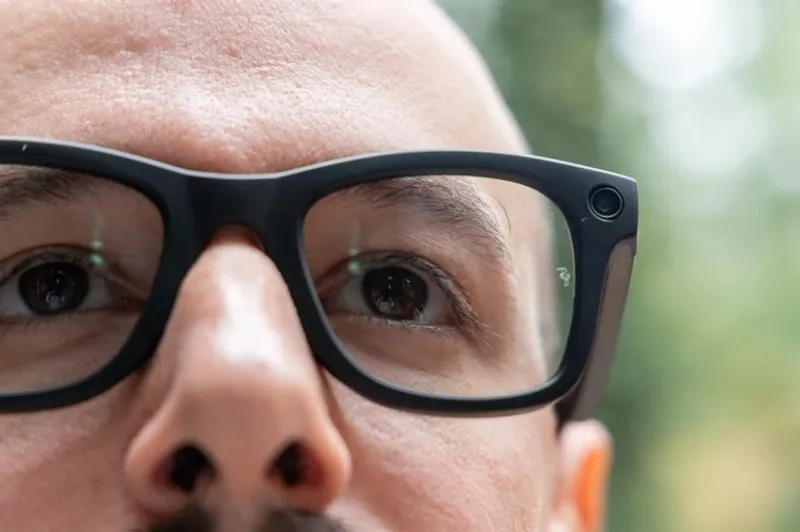
TLDR: CHINA—China police are using domestically made smart glasses for traffic, patrols, and locating missing people, including a 20 minute reunion for a lost elder. Critics fear facial recognition tied to government databases, with similar interest reported by ICE and Meta.
Key Takeaways:
- In China, facial recognition already plugs into massive CCTV coverage, making wearable cameras a logical next step for everyday policing.
- China Daily reports officers use smart glasses with domestically made hardware and software for traffic management, street patrols, and finding missing people.
- If real time identification spreads, civil liberties risks grow, especially as ICE reportedly seeks the same biometric approach and Meta pursues face recognition tech.

The sales pitch sounds like safer streets and faster reunions. The fine print is what watches, and who gets access to the watchlist.
The sales pitch sounds like safer streets and faster reunions. The fine print is what watches, and who gets access to the watchlist.
Q&A
What happens when police smart glasses work well for missing people, yet also normalize constant identification in public?
Successful rescues can build public acceptance, while persistent facial ID becomes the default. That makes later oversight harder because the tool feels indispensable.
Why do facial recognition systems on glasses raise a bigger alarm than cameras on fixed street corners?
Wearables let officers aim sensors at individuals instantly, shrinking the distance between observation and decision. Fixed cameras can be mapped and audited more easily than moving, person focused capture.
How could a domestically built smart glass rollout change accountability compared with imported tech?
Local development may reduce friction for faster deployment and iterative updates. That can also complicate external auditing if documentation and model behavior are less transparent.
If ICE smart glasses aim to identify people in real time, what procedural safeguards could realistically slow misuse?
Clear warrant requirements, documented matching thresholds, independent audits, and strict retention limits are the core brakes. Without them, real time alerts can bypass meaningful review.
What precedent does large scale CCTV create for wearable facial recognition policies?
Once surveillance infrastructure proves operational, policy tends to expand from detection to identification. Wearables then extend the same logic into more intimate, higher frequency monitoring.





No comments yet. Be the first to share your thoughts!