
Musk disputes drone satellite rules amid Starshield pricing fight
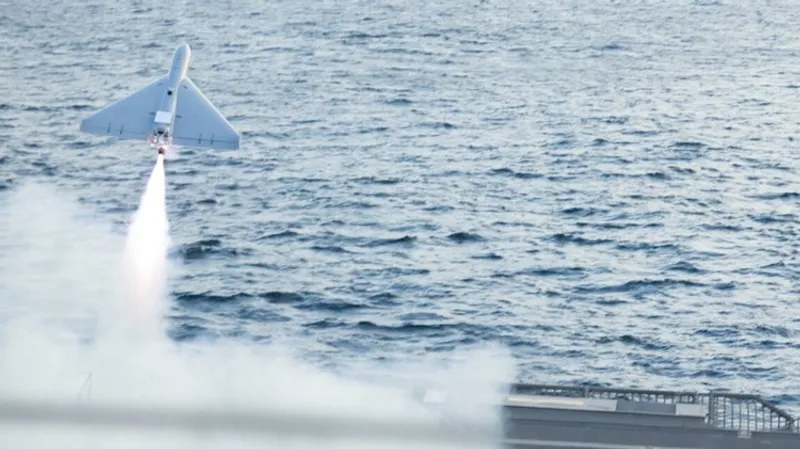
TLDR: WASHINGTON—Elon Musk says US military suicide drones used commercial Starlink first, violating Starlink terms, and blames a government drone contractor. Reuters reports SpaceX then pushed Pentagon pricing to $25,000 Starshield access per “kamikaze” drone instead of $5,000.
Key Takeaways:
- SpaceX and the Pentagon have sparred over Starshield satellite pricing for drones during the Iran conflict, with Reuters citing Pentagon documents and interviews.
- Musk denied Reuters on key points, but admitted the drones initially used commercial Starlink satellite terminals, violating Starlink terms of service.
- A contractor breach led to a rules problem, while the pricing dispute escalated per drone to $25,000, reshaping how satellite access gets billed for combat.
- Reuters says SpaceX asked for $25,000 per kamikaze drone connection for Starshield access, after prior Pentagon payments of $5,000.
- Pentagon objections did not stop the increase, signaling contracting leverage shifts even when access rules get challenged.

This reads like the Pentagon and SpaceX arguing over a bill while the real risk lives in the paperwork. When “commercial” connectivity shows up on weapons, the invoice becomes a headline and the rules become a liability.
This reads like the Pentagon and SpaceX arguing over a bill while the real risk lives in the paperwork. When “commercial” connectivity shows up on weapons, the invoice becomes a headline and the rules become a liability.
Q&A
What changes if the early Starlink use was a terms violation rather than a simple technical routing choice?
It turns a procurement detail into compliance exposure for both the contractor and the end user, increasing pressure for tighter terminal controls and audit trails.
Why would SpaceX and the Pentagon argue about per drone pricing instead of using a broader contract ceiling?
Usage based pricing can map costs to specific operational tempos, but it also creates incentives to renegotiate unit costs as deployment scales up.
If Starlink access was used first, how might that affect future satellite service separation between commercial and government networks?
Expect stricter enforcement, clearer terminal eligibility rules, and more formal gatekeeping so weapons teams cannot accidentally mix service classes.
What precedent does this resemble in how tech companies handle dual use satellite connectivity for conflict zones?
It echoes earlier disputes where vendors tried to separate consumer and defense usage, then faced friction when deployments needed speed over policy purity.
What happens next for the pricing fight if Musk’s dispute forces more scrutiny of the underlying documents?
More scrutiny can reopen contract terms, trigger compliance reviews, and complicate any future attempt to raise per unit access costs without clearer guardrails.





No comments yet. Be the first to share your thoughts!