
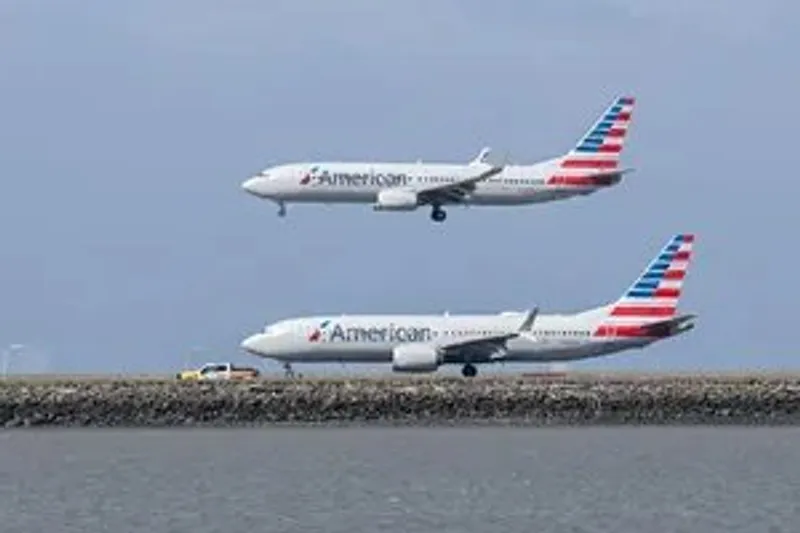
TLDR: LONDON—American Airlines agreed with SpaceX to install Starlink Wi Fi across its Airbus fleet in 2027, starting on more than 500 aircraft. The upgrade targets faster, lower latency connectivity for passengers.
Key Takeaways:
- American Airlines signed with SpaceX to bring Starlink to its Airbus narrowbody fleet, with a rollout planned for 2027.
- The deal covers more than 500 aircraft and positions SpaceX to serve on over 2,300 commercial planes through Starlink partnerships.
- Starlink low Earth orbit design cuts latency for streaming and cloud work, while Delta backs Amazon Leo over SpaceX for cost and bundled content.

Cabin Wi Fi has long been the flight attendant of aviation tech, always promised, rarely perfect. American making Starlink a 2027 plan signals the next arms race is speed and responsiveness, not just coverage.
Cabin Wi Fi has long been the flight attendant of aviation tech, always promised, rarely perfect. American making Starlink a 2027 plan signals the next arms race is speed and responsiveness, not just coverage.
Q&A
What will passengers notice first when Starlink goes live in American cabins?
Lower buffering and smoother loading for streaming and real time cloud edits, because reduced latency matters most during fast interactive tasks, not just page downloads.
How could Starlink affect airlines beyond customer satisfaction?
Better connectivity can shift in flight behavior, boosting revenue from partner services and improving operational tooling like passenger app usage and crew systems that rely on fast data.
Why might Delta choose Amazon Leo instead of Starlink even if Starlink is faster?
A cheaper package with bundled streaming can win procurement and marketing budgets, and speed differences may matter less to cost sensitive travelers than content and price.
What technical hurdle could still limit performance once antennas are installed?
Cabin network management, antenna placement, and how bandwidth is allocated during busy flight segments can cap real world speeds even when the satellite link is strong.
If this becomes the new standard, what happens to older in flight Wi Fi providers?
Airlines may renegotiate contracts or delay upgrades, forcing competitors to prove either equal throughput, lower latency, or better unit economics before new installs.





No comments yet. Be the first to share your thoughts!