
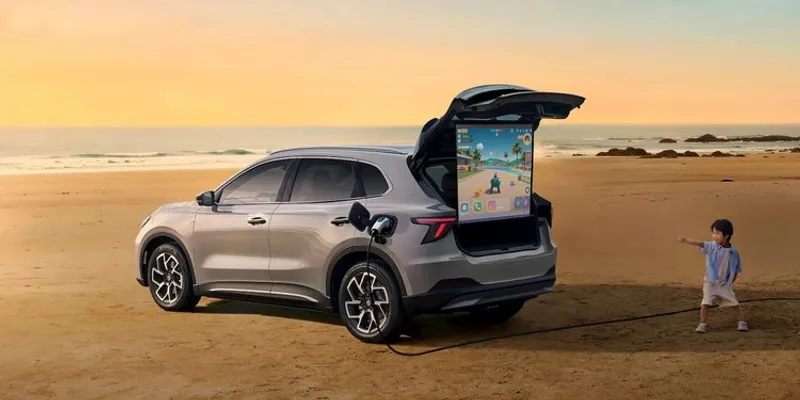
TLDR: BEIJING—SAIC launched the MG 4X in China with semi solid state batteries starting at 99,800 yuan, under $14,700. With incentives, it dips to 92,800 yuan.
Key Takeaways:
- SAIC is expanding from its MG 4 semi solid state launch into a new MG 4X electric SUV lineup in China.
- MG 4X starts at 99,800 yuan and uses 53.9 kWh SAIC Qingtao semi solid state or 64.2 kWh CATL LFP packs.
- Semi solid state claims include 5% liquid electrolyte and penetration tests with no smoke or fire, while Europe plans 2026 rollouts.

A semi solid state battery is no longer an all talk, no price tech flex. SAIC is pricing the MG 4X like a mass market bet, and the rest of the industry now has to explain why it still costs more.
A semi solid state battery is no longer an all talk, no price tech flex. SAIC is pricing the MG 4X like a mass market bet, and the rest of the industry now has to explain why it still costs more.
Q&A
If semi solid state tech keeps falling in price, what breaks first for competitors trying to sell luxury batteries?
Margins get squeezed on expensive liquid electrolyte platforms, pushing automakers to cut battery costs or risk losing share to lower priced rivals using similar claims.
Why does SAIC bundle ADAS and cockpit upgrades with a battery headline?
Range and safety claims alone do not win repeat buyers, so SAIC couples the battery pitch with everyday usability features like Horizon L2 and smart sensor stacks.
What does the reported 5% liquid electrolyte reduction suggest about safety improvements in real world crashes?
Less liquid electrolyte can lower combustion fuel if cells rupture, but customers will still judge risk through independent testing beyond controlled needle penetration tests.
How could Europe see a different story even if the same battery is shipped in 2026?
WLTP conditions can cut stated range, so SAIC will likely compete more on charging behavior and safety than raw headline kilometers.
If incentives drop the MG 4X price fast, what happens to consumer expectations for future EV releases?
Buyers may wait for promotion windows and demand transparent long term pricing, forcing companies to design products that stay competitive after incentives end.
Top in Energy

China bets on hydrogen, but costs and demand still bite
AI sparks grid upgrades as electricity demand surges

MeanderX eases community solar bottlenecks inside Ameren queues
Solar, Batteries, and Software Turn Home Energy Into a System

No comments yet. Be the first to share your thoughts!