
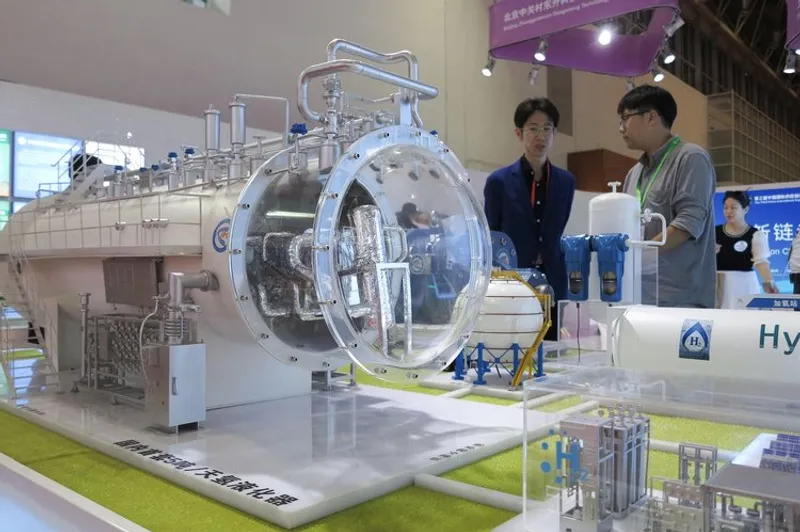
TLDR: CHINA—China backs hydrogen as a future industry, but most hydrogen still comes from coal or gas and green output costs $4 to $6 per kilogram. A 2026 pilot seeks to fund low carbon hydrogen uses by targeting 15 to 25 yuan per kilogram by 2030, with rules protecting “green” definitions.
Key Takeaways:
- China already produces 36.5 million tonnes of hydrogen in 2024, with output concentrated in heavy industry provinces like Shandong and Inner Mongolia.
- Only about 1 percent of hydrogen in 2024 came from renewable electrolysis at 320,000 tonnes, while 78 percent was fossil based, mainly coal and gas.
- China’s hydrogen scaling bet mirrors EV policy lessons: build demand and infrastructure fast, or costs stay stuck, and investors will not commit.

Hydrogen in China is less a clean energy breakthrough than a carefully managed industrial gamble. The country is trying to pay the early bill with pilots, but the fuel still has to earn trust with cheaper delivered prices.
Hydrogen in China is less a clean energy breakthrough than a carefully managed industrial gamble. The country is trying to pay the early bill with pilots, but the fuel still has to earn trust with cheaper delivered prices.
Q&A
If green hydrogen remains expensive, what will decide whether users switch from coal and gas derivatives?
The decisive factor is delivered cost plus guaranteed demand, often via industrial offtake rules such as quotas and pilot linked purchases, not just headlines about future potential.
Why does hydrogen struggle more than EVs, even when both need infrastructure?
Hydrogen adds storage, transport, and conversion losses across multiple steps, so inefficiency and logistics hit both price and emissions at the same time.
How do hydrogen pilots change corporate behavior compared with earlier FCEV focused subsidies?
Pilots that fund city cluster ecosystems can create bankable plans that tie supply, pipelines or storage, and end use customers together, reducing the chicken and egg gap.
What could undermine the credibility of China’s “green” label despite new rules?
If low carbon ammonia or methanol projects still dominate feedstocks, loopholes in accounting or weak enforcement could tempt firms to rebrand without genuine emissions cuts.
Can Chinese electrolysers power global decarbonization, or will hydrogen remain a domestic story?
The likely near term limit is scaling outside China due to bulky equipment logistics, gradual cost declines, uncertain global demand, and questions about performance versus non Chinese alternatives.
Top in Energy

MG 4X forces semi solid state EV prices lower
AI sparks grid upgrades as electricity demand surges
MeanderX eases community solar bottlenecks inside Ameren queues
Solar, Batteries, and Software Turn Home Energy Into a System
No comments yet. Be the first to share your thoughts!