
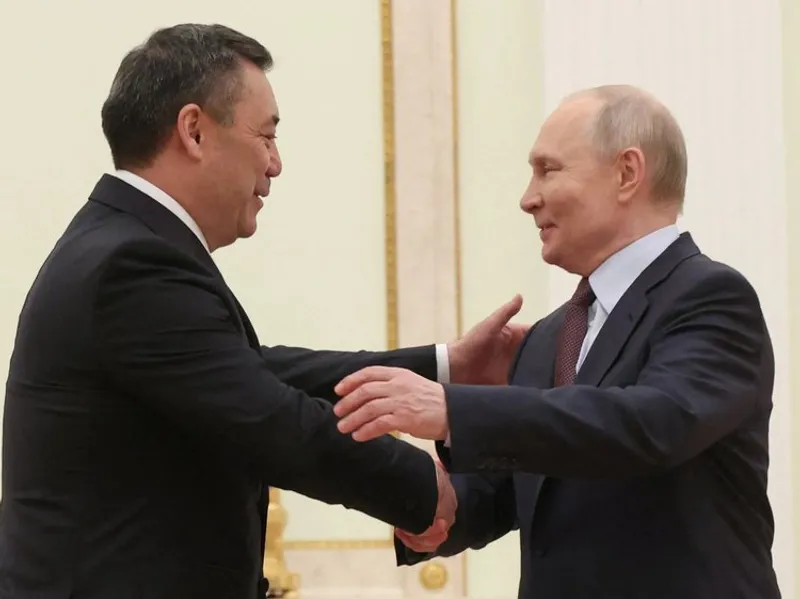
TLDR: BISHKEK—Kyrgyz authorities forced 50 companies linked to Russia sanction evasion to shut, after EU electronics limits targeted rerouted dual use goods.
Key Takeaways:
- Kyrgyzstan became a sanctions workaround hub after Russia Ukraine sanctions, with exports to Russia rising from 393 million to 1.07 billion.
- Last week, Kyrgyz authorities shut 50 suspected companies, echoing an EU electronics embargo and previous EU bank blacklists and UK official sanctions.
- The shutdown threatens Kyrgyz businesses tied to Russia while exposing how remittances and Moscow alignment limit Bishkek’s maneuver space.

Bishkek is trying to dodge a trap it helped build. With remittances and Moscow leverage already doing the heavy lifting, the real risk is that companies vanish faster than the political choices do.
Bishkek is trying to dodge a trap it helped build. With remittances and Moscow leverage already doing the heavy lifting, the real risk is that companies vanish faster than the political choices do.
Q&A
If Kyrgyzstan clamps down on 50 companies, how quickly could new intermediaries replace them without changing the flow of dual use goods?
Sanctions enforcement often moves the network rather than stopping it. In practice, traders can reorganize through fresh registrations, brokers, and transit patterns that exploit different paperwork and shipping routes.
What does the EU electronics embargo signal about where regulators will look next inside Kyrgyz supply chains?
It suggests that compliance checks may shift from generic trade volume toward specific device categories and end user tracing, especially for electronics linked to dual use re exports.
How does Kyrgyzstan’s Eurasian Economic Union membership shape its options when Western governments press for enforcement against Russia linked commerce?
EAEU ties can preserve trade preferences and shared economic rules that make sudden policy pivots politically and bureaucratically harder, narrowing room to fully decouple without broader fallout.
Why might Kyrgyz leaders accept reputational costs from the West while staying close to Moscow despite mounting sanctions risk?
Russian leverage is structural through labor flows, investment incentives, and security cooperation like basing and defense agreements, so leaders may see sanctions caution as manageable compared with losing key lifelines.
Could the backlash in Kyrgyz society toward Russia influence how strictly authorities enforce sanctions evasion over time?
Yes. If public discontent grows mainstream, governments face more pressure to demonstrate independence, but enforcement can also be used selectively, rewarding allies while targeting politically useful targets.


No comments yet. Be the first to share your thoughts!