

TLDR: BEIRUT—Iran’s Revolutionary Guards said a US return to war is unlikely, despite accusing the US of breaking an April ceasefire and threatening retaliation. In Lebanon, Israeli strikes killed 31 people, including four children.
Key Takeaways:
- Iran and the US remain locked in escalating warnings tied to an April ceasefire, with Revolutionary Guards signaling a readiness to respond.
- The Guards said war with the US is unlikely, one day after Iran accused the US of breaching the ceasefire and warned of retaliation.
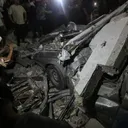
- Lebanon’s front line stayed deadly, with Israeli strikes killing 31 people in one day, underscoring how truces still fail to halt suffering.

Iran is trying to lower the temperature without lowering the guard. Meanwhile, Lebanon proves that ceasefires can shrink the headline without shrinking the body count.
Iran is trying to lower the temperature without lowering the guard. Meanwhile, Lebanon proves that ceasefires can shrink the headline without shrinking the body count.
Q&A
If Iran says war with the US is unlikely, what could still trigger rapid escalation?
A retaliatory cycle driven by contested claims of ceasefire breaches, plus proxy battlefield events that leaders can portray as direct attacks on their interests.
Why does Iran stress readiness to retaliate if it is also trying to dampen fears of war?
It keeps deterrence credible. Messaging that war is unlikely can reassure audiences while a retaliation warning still signals costs for further moves.
How do Lebanon casualties affect wider diplomacy, even when Israel and Hezbollah ties are framed as separate fronts?
They raise political pressure on every mediator and sponsor involved, because humanitarian headlines can become constraints on leaders trying to claim stability.
What does the April ceasefire dispute suggest about enforcement mechanisms between Iran and the US?
That enforcement may rely more on mutual accusations and deterrence than on verifiable compliance, leaving each side room to redefine violations.
What historical pattern does this messaging resemble in Middle East brinkmanship?
Statements that simultaneously de escalate and deter. Leaders often pair lower war likelihood with pointed warnings, aiming to signal control while keeping leverage.


No comments yet. Be the first to share your thoughts!