
 iPhone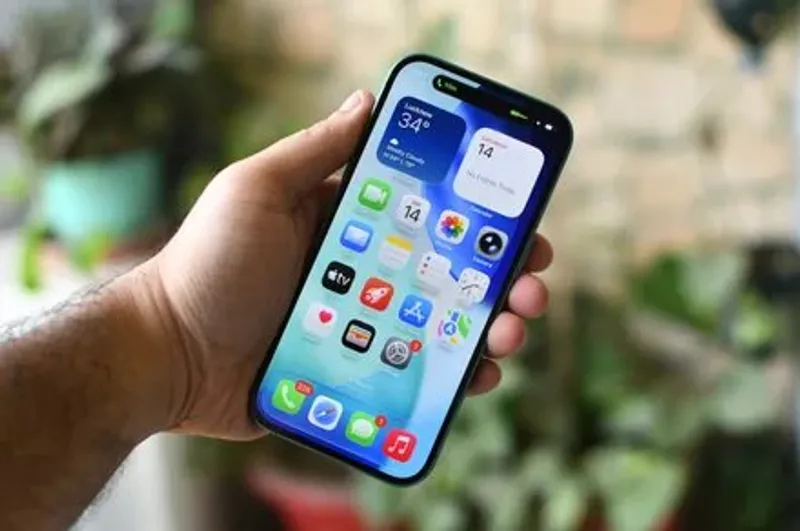
TLDR: UNITED STATES—Two academic studies argue iPhone access helped drive a US birth rate decline from 2007 to 2011, especially ages 15 to 24. Evidence traces AT&T network coverage and 4G rollout, while critics say fertility was already falling.
Key Takeaways:
- Birth rates started dropping in 2007, the year the first iPhone launched, sparking a timing question.
- Researchers used AT&T network quirks and global smartphone spread to link iPhone and teen access with declines.
- If smartphones are a real factor, lawmakers face a harder challenge than income or housing policies.

The uncomfortable part is how ordinary convenience could reshape life plans, then turn into a policy headache. Even if phones are not the only cause, the evidence keeps asking, what did the world trade away for always being connected?
The uncomfortable part is how ordinary convenience could reshape life plans, then turn into a policy headache. Even if phones are not the only cause, the evidence keeps asking, what did the world trade away for always being connected?
Q&A
If the iPhone effect is real, why does it appear strongest among ages 15 to 24?
That age group likely experienced the fastest adoption and the biggest shift in daily social routines, online behavior, and fertility decision timing compared with older groups.
What does the AT&T network angle really prove, and what can it still miss?
It supports a causal-style comparison by grouping counties with early versus limited access, but it may still miss other factors that also differed by region and timing.
Why do the researchers point to pornography, contraception awareness, and socializing, and which explanation is easiest to test?
Those mechanisms fit the observed age pattern and timing, but researchers can test them most directly through surveys and policy linked outcomes, not just birth counts.
If teen fertility fell alongside faster broadband and 4G, what happens as connectivity levels become nearly universal?
The marginal effect may shrink because nearly everyone already has the same baseline access, shifting the focus from rollout speed to content, platform design, and time allocation.
How should governments respond if smartphones contribute but screen time is hard to regulate?
They may need softer levers like sexual education, contraception access, youth services, and community programs that protect in person support rather than trying to ban devices.
Top in Tech Trends

AGILINK reframes dexterity as the contact problem at ICRA 2026

Computer Science Graduates Face Hiring Mismatch, Not a Dead Degree

Continuing education fights AI job churn and tech acceleration

Formlabs pushes Fuse X1 to make industrial SLS attainable

No comments yet. Be the first to share your thoughts!