
Formlabs pushes Fuse X1 to make industrial SLS attainable
 Ukraine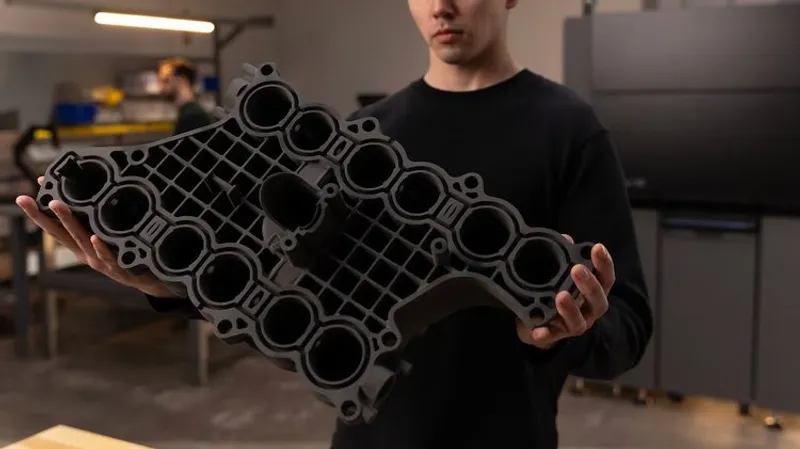
TLDR: NEVADA—Formlabs launched the Fuse X1, a large format SLS 3D printer starting at $84,999, with 24 hour production and AI defect removal. It targets manufacturers and service bureaus by cutting installation and operating friction, while customers including Tesla and a Ukraine drone maker already plan production uses.
Key Takeaways:
- Formlabs built desktop and automation tools since MIT roots, aiming to shorten the path from design to part.
- Fuse X1 uses 13 thermal zones plus Adaptive Thermal Control and Print Intelligence to monitor layers and remove defective parts mid run.
- Lower upfront and operating friction could widen SLS access, letting factories and bureaus shift from prototypes to production faster.

The Fuse X1 is Formlabs betting that the biggest bottleneck in 3D printing is not ideas, it is the messy factory reality of cost, setup, and day to day control. If the AI and thermal stability work as promised, SLS stops being a specialist tool and starts acting like a dependable production step.
The Fuse X1 is Formlabs betting that the biggest bottleneck in 3D printing is not ideas, it is the messy factory reality of cost, setup, and day to day control. If the AI and thermal stability work as promised, SLS stops being a specialist tool and starts acting like a dependable production step.
Q&A
If AI layer monitoring can discard only the affected parts, how will customers price risk when a whole batch is no longer a guaranteed loss?
They are likely to shift from all or nothing job decisions to per part yield planning, using Print Intelligence results to estimate scrap rate and refine build strategies.
What changes when customers stop treating 3D printing as prototyping and start treating it as a line item in tooling and end use production?
They will demand tighter repeatability, documentation for QA, and predictable throughput so procurement and quality teams can approve runs without treating prints as experiments.
Why does form factor matter here, even for companies already using SLS, like Tesla in Nevada?
Bigger SLS systems can raise space, installation, and maintenance burdens. A factory ready black cabinet design aims to lower integration friction and speed up deployments across sites.
How might Ukraine demand growth reshape Formlabs material and service priorities?
Sustained wartime production needs could drive faster turnaround services, more accessible support, and higher throughput workflows tailored to drone and component fabrication.
What happens to the competitive map if service bureaus gain a cheaper path to production quality parts within 48 hours in some markets?
Service bureaus may consolidate capabilities, compete more aggressively on turnaround time, and pressure higher cost industrial systems on price and responsiveness.
Top in Tech Trends

AGILINK reframes dexterity as the contact problem at ICRA 2026

Computer Science Graduates Face Hiring Mismatch, Not a Dead Degree

Continuing education fights AI job churn and tech acceleration

Bipartisan National Robotics Commission bill gains momentum in Congress

No comments yet. Be the first to share your thoughts!