
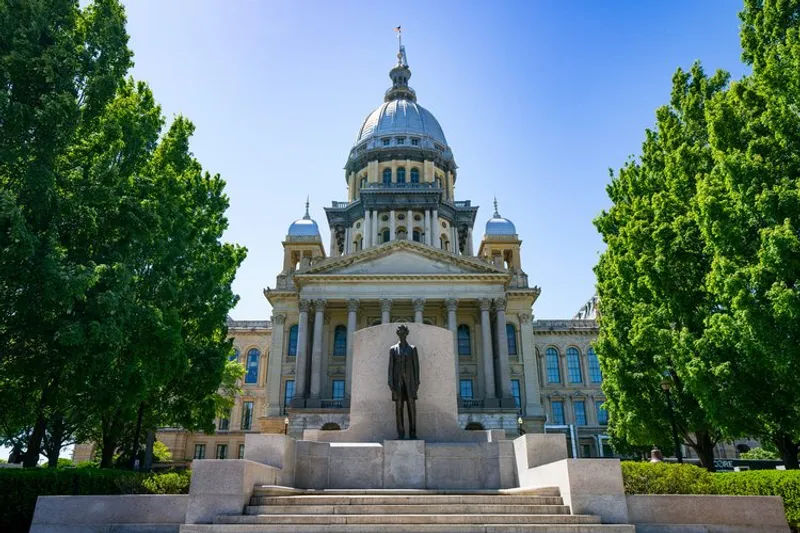
TLDR: SPRINGFIELD—Illinois lawmakers passed SB 315 requiring frontier AI firms to publish public safety plans and undergo annual independent third party audits, plus whistleblower protections. The House voted 110-0 and the Senate 52-5, sending it to Gov. JB Pritzker for his signature.
Key Takeaways:
- The bill SB 315 follows California and New York models that demand public risk plans for severe or catastrophic AI hazards.
- SB 315 adds annual independent third party safety audits and whistleblower protections, and it passed the Illinois House 110-0, then the Senate 52-5.
- If Pritzker signs it, Illinois would create a US first baseline for frontier AI accountability while intensifying the fight between state rules and federal restraint.

Illinois just picked a rare fight Big Tech often prefers to avoid: proving safety to outsiders, every year. If Pritzker signs, expect states and companies to treat audits as a negotiating front, not a footnote.
Illinois just picked a rare fight Big Tech often prefers to avoid: proving safety to outsiders, every year. If Pritzker signs, expect states and companies to treat audits as a negotiating front, not a footnote.
Q&A
If Congress stays stuck on federal AI rules, will more states copy SB 315’s audit model?
Yes, lawmakers in other states have strong incentives to fill the gap when federal action stalls, especially when SB 315 sets a clear audit and reporting structure tied to frontier AI.
What could make third party audits difficult in practice, even if the law is signed?
Auditors will need access to technical details and safety test results that companies may treat as sensitive, raising questions about scope, data sharing, and how to measure risks consistently.
How might whistleblower protections change internal company incentives compared with purely external oversight?
They shift pressure inside firms toward faster disclosure of safety failures and documentation gaps, which can reduce the odds that problems get buried until after harm.
Why did a proposed White House executive order not replace state action for safety testing?
The executive order was shelved after President Donald Trump decided not to sign it, and the lack of a binding national framework pushed states to write enforceable requirements themselves.
What happens to SB 315’s impact if the White House continues opposing similar provisions?
Federal pushback can raise legal and administrative friction, but the law still sets a compliance benchmark in Illinois that companies will have to plan for if they want access to the state market.
Top in AI

YouTube ramps up automatic AI labels for photorealistic videos
Illinois Lawmakers Push Frontier AI Into Third Party Safety Checks
Google’s AI Overviews stumble on spelling inside Search

AI giant surges 1,200% as valuations cool

No comments yet. Be the first to share your thoughts!