
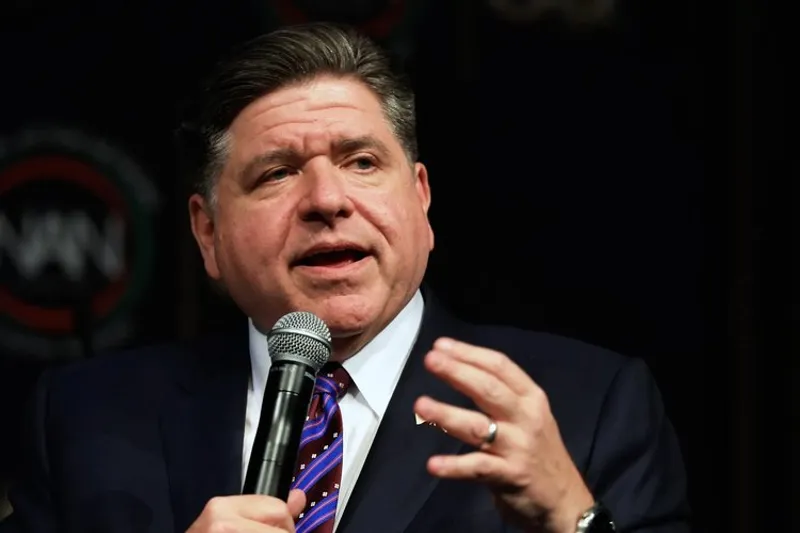
TLDR: SPRINGFIELD, Ill.—Illinois House passed SB 315, demanding third party safety audits for frontier AI labs. JB Pritzker plans to sign.
Key Takeaways:
- Illinois is betting on state action because Congress has stalled. Similar laws in California and New York focus on guardrails and incident reports.
- SB 315 requires independent auditors to verify labs follow their own AI safety standards, targeting OpenAI, Anthropic, and Google DeepMind.
- If enacted, Illinois moves AI safety from self reporting toward verified compliance, and it also sets a blueprint for federal follow through.
- Auditors could include Big Four firms like Deloitte, EY, KPMG, and PwC, or groups from the AI Evaluator Forum such as METR, Transluce, and Averi.

This bill is the AI version of an audit when the student also grades the homework. Illinois is daring Big Tech to prove it means what it claims, not just publish nice promises.
This bill is the AI version of an audit when the student also grades the homework. Illinois is daring Big Tech to prove it means what it claims, not just publish nice promises.
Q&A
What happens if auditors discover gaps but regulators lack enforcement teeth?
The bill would still raise reputational and legal pressure, but outcomes likely hinge on how Illinois defines penalties, reporting requirements, and timelines in the final implementation.
Why do OpenAI, Anthropic, and other labs care so much about state bills right now?
State frameworks can become de facto standards for customers and investors, and they influence what Congress eventually copies or rejects.
How could Big Four auditors handle sensitive model details without turning safety review into a security risk?
Firms may rely on controlled access, redacted evidence, or tiered reporting, but the credibility battle will center on whether the audit meaningfully tests behavior or only paperwork.
What would it take for a federal “no patchwork” approach to work after these state precedents?
A federal bill would likely need uniform audit rules, common incident reporting formats, and clear preemption language that preserves safety verification while ending duplicative state requirements.
Could this shift change how AI companies design safety systems in day to day operations?
Yes. When audits measure adherence to commitments, labs have an incentive to formalize internal safety processes, track evidence, and reduce vague or aspirational standards that auditors might flag.
Top in AI

Rivian Assistant turns vehicle control into AI voice demands

Vertus bets on AI reliability against confident hallucinations

YouTube ramps up automatic AI labels for photorealistic videos
Google’s AI Overviews stumble on spelling inside Search

No comments yet. Be the first to share your thoughts!