
Google risks alienating Nest Mini fans by ending support
 Google
 Nest
Nest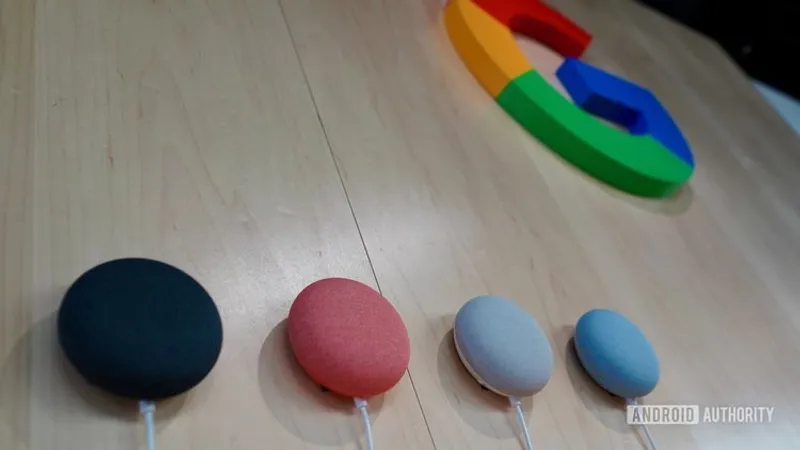
TLDR: Google is ending the Nest Mini, a long running $30 smart speaker that helped people cheaply try the Google Home ecosystem. The shift matters because it removes an accessible entry point for everyday users using Assistant and newer Gemini features.
Key Takeaways:
- The Nest Mini launched as Google Home Mini in 2017, then became Nest Mini and received a 2019 second generation, staying budget friendly.
- Google is killing off the Nest Mini despite it serving as an impulse buy smart speaker, with users often paying under $30 or getting it bundled.
- Losing the low cost speaker could push new buyers toward pricier alternatives, while leaving the smallest homes without an easy way to stay in the Google Home loop.
- The speaker’s appeal also came from staying mostly stable on the software side, moving from Google Assistant to Gemini support.

The Nest Mini was the smart speaker equivalent of a door that never creaked and never charged much. Killing it does not just change hardware, it changes who can afford to join the ecosystem.
The Nest Mini was the smart speaker equivalent of a door that never creaked and never charged much. Killing it does not just change hardware, it changes who can afford to join the ecosystem.
Q&A
If the Nest Mini disappears as an affordable on ramp, where do budget first time buyers go instead?
They typically upgrade the experience by switching platforms or paying more for newer starters, which can quietly raise the cost of entry for whole households.
What happens to older Nest Mini devices when Google ends support, especially for voice features tied to Assistant or Gemini?
Users can still use basic functions for a time, but deeper voice improvements and future integrations become less reliable as the product line stops receiving updates.
Why did the Nest Mini remain competitive even as sound quality and AI features improved elsewhere?
Its winning formula was price plus familiarity, and it stayed easy to recommend because buyers knew the ecosystem would work without a steep learning curve.
Could Google have kept the Nest Mini alive by updating only software, rather than retiring the device?
That tradeoff often becomes a cost and focus problem, because maintaining device level compatibility can slow broader hardware and platform plans.
What precedent does ending a popular budget device create for the rest of Google’s smart home lineup?
It signals that even proven, low cost hardware can be retired quickly, encouraging consumers to plan for replacement cycles and to diversify beyond a single device class.





No comments yet. Be the first to share your thoughts!