
Llano V12 wins cooling pad crown amid fan noise tradeoffs
 Max
Max Amazon
 Android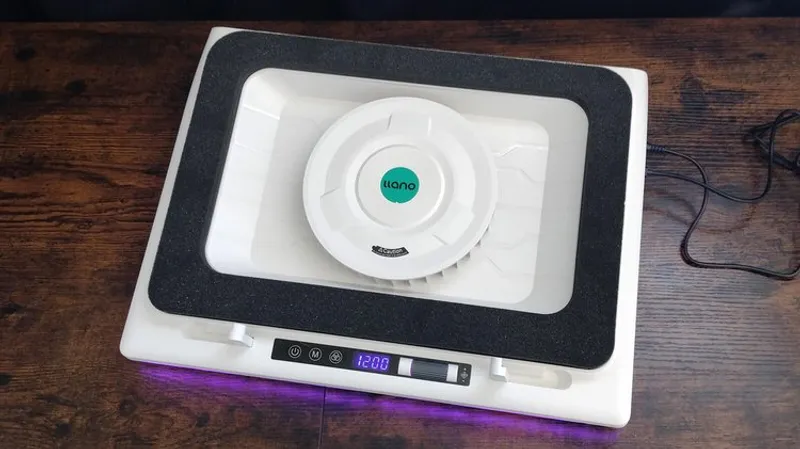
TLDR: ZDNET tested laptop cooling pads and crowned Llano V12 as best overall, citing a recessed vacuum style fan at 2,800 RPM and outlet power options.
Key Takeaways:
- Cooling pads matter for heat spikes that throttle performance during gaming, video editing, and long work sessions, especially when laptop vents struggle.
- Llano V12 leads with a recessed fan, 2,800 RPM airflow, and wall outlet power, while Klim Everest targets value with twin turbines up to 4,300 RPM.
- Expect tradeoffs: high RPM models cool harder but can run loud, and portable vacuum coolers like Klim Cool use USB and vent pressure instead of supporting your laptop.

The best cooling pad is less about chasing maximum RPM and more about matching your laptop size, vent layout, and tolerance for fan noise. Even the “smart” stuff still comes down to airflow and where your laptop actually sits.
The best cooling pad is less about chasing maximum RPM and more about matching your laptop size, vent layout, and tolerance for fan noise. Even the “smart” stuff still comes down to airflow and where your laptop actually sits.
Q&A
What should you check first before buying a cooling pad, beyond laptop size?
Look at vent placement and bottom clearance. Pads like Klim Everest recommend bottom vents, while models like IETS GT300 still perform well even when side and rear vents are missing.
Why might a high RPM cooling pad feel disappointing even after setup?
If the pad does not align with your laptop vents or does not seat firmly, airflow can miss the hottest intake areas. Ergonomic angle and fit can matter as much as RPM.
When does a portable vacuum cooler make more sense than a full pad?
Use it when you travel and want quick heat relief for thin laptops. Klim Cool is designed to press against a vent, but it lacks laptop support and passthrough charging.
Could cooling pads become less necessary as laptops get better thermal design?
Yes, in some models. More efficient chips and improved heatsinks can reduce external cooling needs, but sustained high workloads and small vent space still create heat pressure.
What is the next logical upgrade after Razer’s AI style fan control?
Smarter integration could extend beyond fan speed to detect workload patterns, manage acoustics, and coordinate with laptop power profiles. The goal would be cooler temps with less user micromanagement and fewer loud bursts.





No comments yet. Be the first to share your thoughts!