
Dormancy in iOS 27 targets unused settings power drains
 iOS
iOS Apple
Apple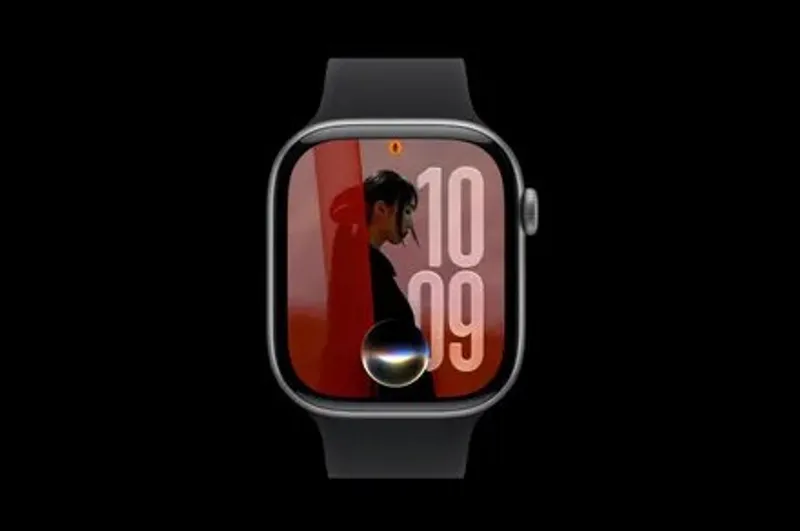
TLDR: Dormancy, flagged in iOS 27 Beta 1 and watchOS code, would recommend disabling unused features such as Apple Watch double tap to save power.
Key Takeaways:
- Apple Watch often runs on tighter battery headroom, so rarely used gestures like double tap can become “optional” power costs.
- Developer Steve Moser found Dormancy references in iOS 27 Beta 1 and watchOS, tied to battery optimization prompts and suggesting feature shutdowns.
- If Apple ships Dormancy, battery saving tips could shift from manual settings scavenger hunts to automatic, feature level recommendations.

Apple is still letting people hunt for battery thieves, but Dormancy sounds like it wants to point at the guilty toggle for you. If it nails the timing, “saving battery” stops being a personality test and becomes a nudge.
Apple is still letting people hunt for battery thieves, but Dormancy sounds like it wants to point at the guilty toggle for you. If it nails the timing, “saving battery” stops being a personality test and becomes a nudge.
Q&A
If Dormancy recommends disabling gestures, how will Apple explain the tradeoff so users do not feel blindsided?
Apple could frame prompts around recent usage and show a preview of what gestures will stop working, letting users opt out per feature.
What would make Dormancy smarter than today’s battery advice inside iOS and watchOS?
Dormancy would need to track real feature activity over time and connect that data to a prompt, rather than offering broad tips that do not pinpoint the culprit.
Why focus on Apple Watch gestures instead of bigger battery consumers like brightness or background refresh?
Gestures are easy to enable and forget after setup, so they become low visibility drains, especially when battery budgets are tight on wearables.
Could Dormancy accidentally disable a feature that matters on certain routines, like weekends or workouts?
If prompts rely on usage history, Apple may need a way to detect seasonal or routine patterns so features are not muted right before they get used.
If Dormancy makes battery saving more automatic, what happens to the culture of tweaking settings for performance?
The hobby of micromanaging toggles could shrink, but power users may still push for controls that show estimates and allow fine tuning instead of one shot disabling.



No comments yet. Be the first to share your thoughts!