
Commentator draws fire over conditional Democrats, post Trump fatigue
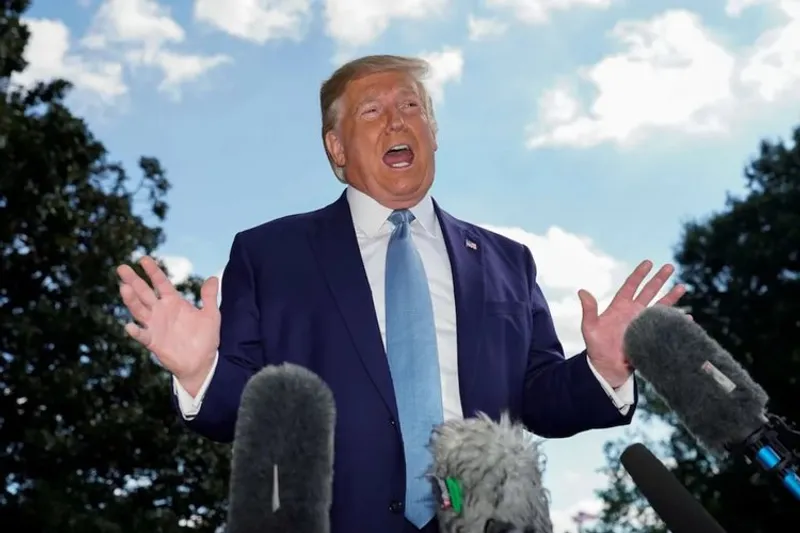
TLDR: The author defends a “both sides” approach, saying progressive governance has worsened over the last decade, and that support for Democrats is conditional. It matters because it shapes how readers judge parties and ideology after the Trump era.
Key Takeaways:
- Context: The writer faces criticism from progressives for challenging leftist ideas while still backing Democrats.
- Main point: The author argues progressive governance failures have intensified, over a decade, and support for Democrats is conditional.
- Impact: Readers are pushed to weigh ideology against outcomes, especially when deciding what comes next after Trump.

After years of Trump as the political drumbeat, even some party allies sound tired and start auditing ideologies instead of loyalties. The subtext is blunt: support is easier to promise than to justify.
After years of Trump as the political drumbeat, even some party allies sound tired and start auditing ideologies instead of loyalties. The subtext is blunt: support is easier to promise than to justify.
Q&A
Why do progressives target “both sides” commentators more aggressively than centrist critics?
Because progressives often treat political neutrality as camouflage for accepting conservative outcomes, so they see “both sides” messaging as dilution rather than critique.
If the author’s case is about governance outcomes, what would count as evidence that progressive policies are working?
Credible benchmarks like durable job growth, measurable reductions in poverty or inequality, improved health access, and transparent budgets with independent audits.
How does conditional Democratic support change incentives for voters and parties?
It pressures Democrats to align rhetoric with deliverables, since it signals that loyalty will not automatically survive disappointment.
What happens to “anti Trump fatigue” if a new political crisis replaces the old one?
Attention usually resets around the next emergency, so fatigue can fade quickly unless leaders also address the underlying governance complaints.
Where does this debate fit in the broader history of US political commentary?
It echoes past cycles where commentators who criticized one side while supporting the opposition tried to claim moral authority, only to get stuck in the credibility trap of “what do you really stand for.”
Top in Opinion
Trump backs prediction markets, betting on CFTC control

Jimmy Kimmel roasts Trump over Don Jr wedding
Trump backs CFTC authority over prediction markets
Republicans clash over Trump s IRS anti weaponization slush fund
No comments yet. Be the first to share your thoughts!