
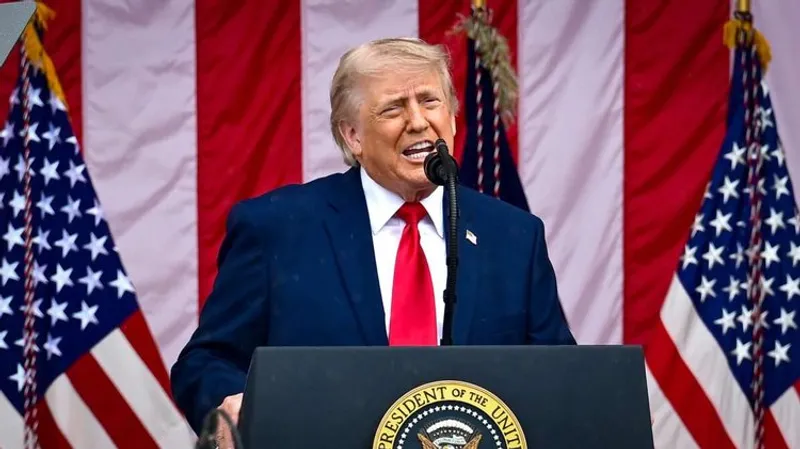
TLDR: Republican senators grilled Acting AG Todd Blanche over Trump s $1.8 billion Anti Weaponization Fund from an IRS settlement that critics call self serving.
Key Takeaways:
- The fund stems from Trump s IRS lawsuit settlement, tied to claims about alleged lawfare and weaponization rather than IRS wrongdoing.
- At a meeting with about 45 senators, Ted Cruz said at least half were blasting Blanche as the $1.776 billion board is controlled by Trump.
- Critics argue DOJ rules bar settlements paying non parties and worry the process will reward Trump allies and even Capitol riot supporters.

Even GOP lawmakers, who usually give Trump wide latitude, are sounding alarms because this one looks like paying loyalists with money that should stay in the lane.
Even GOP lawmakers, who usually give Trump wide latitude, are sounding alarms because this one looks like paying loyalists with money that should stay in the lane.
Q&A
If the Anti Weaponization Fund is challenged in court, what legal angle could force a faster slowdown than politics can?
Opponents would likely press standing and administrative law issues, arguing the settlement funds non parties for grievances unrelated to the IRS dispute and violate DOJ settlement constraints.
Why does the DOJ rule against paying non parties matter more than critics think when a president controls board appointments?
Rules can create reviewable standards; even when political control exists, a violation can give judges a clear basis to halt or narrow payouts.
What happens to claimants if the board stops processing claims before Trump leaves office as described?
Some would face a hard cutoff and must rush or risk denial, which can reshape outcomes from the merits to timing and access.
How does the reliance on a contractor leak narrative complicate the fund s credibility?
It reframes a third party criminal leak into a broad justification for unrelated compensation, which invites skepticism about whether the settlement is actually addressing the alleged harm.
Could this conflict permanently alter how future administrations handle settlements tied to politically charged narratives?
It may push courts and lawmakers to scrutinize future settlement design more aggressively, especially where funding streams, boards, and definitions of harm align with one side.
Top in Opinion
White House scaffolding reveals UFC Freedom 250 build
Poll Finds Americans Blaming Weakness and Trump Loyalty
Trump collides with Senate GOP after Cornyn loss

Pope Leo XIV warns AI could hollow human dignity

No comments yet. Be the first to share your thoughts!