
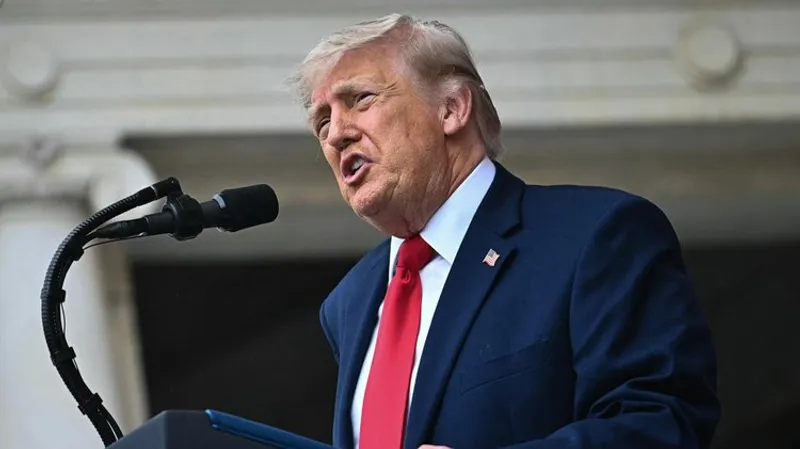
TLDR: WASHINGTON—In an ABC News Washington Post Ipsos poll from April 24 to 28, Americans most often criticized Democrats as too weak against Trump and Republicans as too loyal to Trump.
Key Takeaways:
- The open ended survey asked Americans for the worst thing about each party, then coded replies from 1,267 U.S. adults.
- Among responses, 10% cited Democrats as weak against Trump, while 12% said Republicans worst trait was Trump loyalty or naming Trump.
- The result frames both parties as failing their own standards, with Democrats accused of not fighting and Republicans blamed for not resisting Trump.
- Partisan splits sharpen the theme: Democrats fault Republicans for Trump loyalty at 25%, while Republicans fault Democrats for weakness at 24%.

This is one of those polls that lands like a shrug: people see Democrats as too polite and Republicans as too attached. Either way, they do not describe a system that pressures leaders, they describe one that absorbs them.
This is one of those polls that lands like a shrug: people see Democrats as too polite and Republicans as too attached. Either way, they do not describe a system that pressures leaders, they describe one that absorbs them.
Q&A
If Democrats win on policy arguments, why does “weak against Trump” still dominate their negative label?
The poll suggests voters may judge performance through conflict and opposition style, not just outcomes. Communications and perceived willingness to confront Trump can outweigh specific policy merits.
What happens to Republican messaging if “loyalty to Trump” becomes the default critique?
Republicans may feel pushed to prove independence in visible ways, or else they will keep paying a branding tax. That pressure can reshape primary fights, endorsements, and legislative strategy.
How could independents react if both parties are framed as too obsessed with the other side?
Independents may shift toward candidates promising distance from both party brands. The poll already shows concerns about obsession and extreme agendas on both ends.
Why might open ended questions intensify the “person” factor in party evaluations?
When respondents write freely, their personal political focus comes through fastest. In this case, Trump functions as a shortcut for broader fears about tone, norms, and power.
If this perception persists into elections, which campaign themes are most likely to outperform?
Expect emphasis on confrontation with clarity for Democrats and on independence plus rule bound governance for Republicans. Campaigns that show concrete red lines may be tested against the “stand up” critique.
Top in Opinion
White House scaffolding reveals UFC Freedom 250 build
Trump collides with Senate GOP after Cornyn loss

Pope Leo XIV warns AI could hollow human dignity

Mamdani versus Spanberger: governance battle over Democratic credibility
No comments yet. Be the first to share your thoughts!