
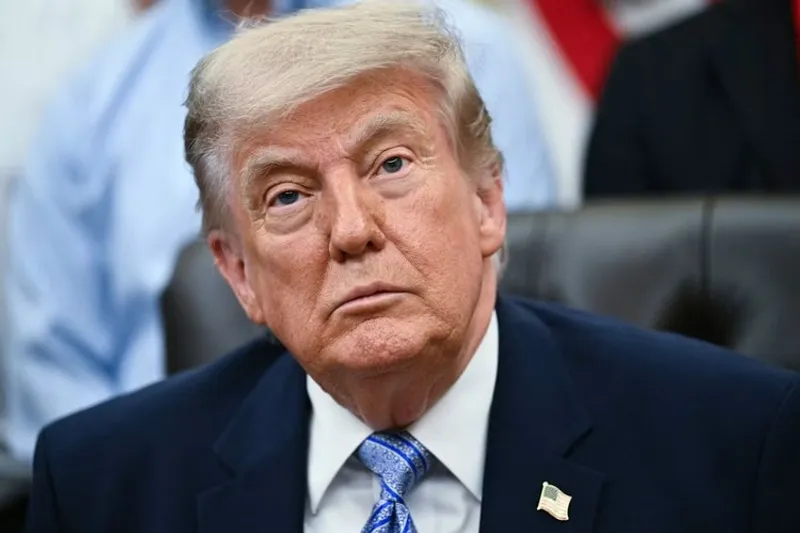
TLDR: WASHINGTON—After a Walter Reed physical, Trump called himself perfectly healthy, while his team mocked reporters for noting him dozing on camera. The exchange underscores why Cohen says Trump cannot tolerate perceived weakness, even as GOP control and credibility erode.
Key Takeaways:
- Trump health scrutiny intensifies after a Walter Reed exam and new video moments at public events.
- White House accounts claimed Trump was blinking and mocked CNN reporters including Dana Bash, Brianna Keilar, Kevin Liptak, and Kate Bolduan.
- Michael Cohen argues narcissistic needs fuel authoritarian messaging that people can see through, worsening political vulnerabilities.

The strangest part is not the tweet storm, it is the assumption that audiences will politely ignore what their own eyes catch. When a leader cannot admit weakness, everyone around him becomes a human echo, until even allies start side eyeing the job description.
The strangest part is not the tweet storm, it is the assumption that audiences will politely ignore what their own eyes catch. When a leader cannot admit weakness, everyone around him becomes a human echo, until even allies start side eyeing the job description.
Q&A
If White House messaging keeps denying visible lapses, what happens to trust among undecided voters first?
Credibility erodes faster than partisan attachment, because denial forces people to choose between their senses and the official narrative.
Why might Trump lean harder into media insults when his approval slips outside the GOP?
When he cannot win by persuasion, he can still seek dominance by delegitimizing opponents, which also keeps loyalists emotionally engaged.
What pressure does his declining control inside the Republican Party create for candidates in competitive races?
They face a pay to play dilemma: oppose him and risk online retaliation and funding cutoffs, or comply and absorb backlash with independents.
How does the anecdote about refusing to acknowledge defeat from 2020 shape today’s health strategy?
It suggests a pattern where conceding any vulnerability triggers a broader identity crisis, so officials double down rather than recalibrate.
What historical precedent does Cohen hint at when describing an authoritarian playbook in a not fully authoritarian society?
Authoritarian tactics often rely on restricted debate and compliant institutions; in open media environments, the contradictions become replayable evidence.
Top in Opinion

Pope Leo XIV warns AI could hollow human dignity

Mamdani versus Spanberger: governance battle over Democratic credibility
Trump, GOP put pressure on ABA over DEI rollback
SPLC fights DOJ indictment as vindictive prosecution pressure rises

No comments yet. Be the first to share your thoughts!