
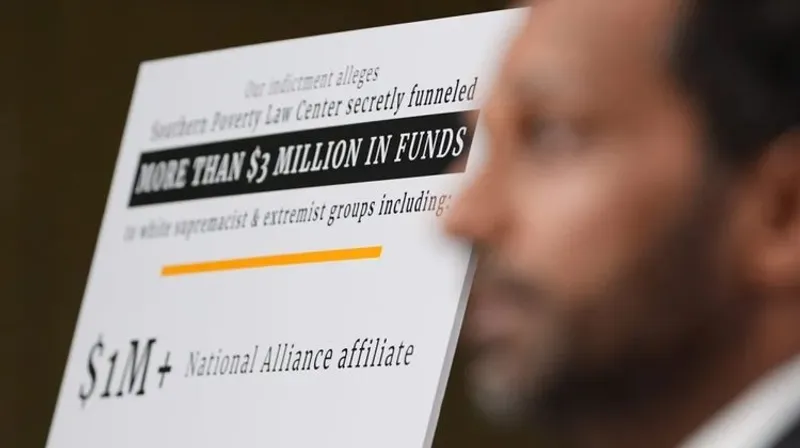
TLDR: The Southern Poverty Law Center asked a judge to dismiss a Trump administration DOJ indictment, calling it vindictive and selectively enforced. If accepted, it blocks the case and reshapes how federal prosecutors handle targeted civil rights groups.
Key Takeaways:
- The case targets the Southern Poverty Law Center, a civil rights watchdog that has faced sustained political and legal pressure.
- SPLC argues the indictment is a “top down, retributive campaign,” pointing to comments attributed to President Trump.
- A dismissal would signal courts can curb political pressure in prosecutions and could force DOJ to rethink charging decisions.

SPLC is trying to turn a legal fight into a legitimacy fight, arguing the prosecution looks less like evidence and more like retaliation. Courts decide whether motive matters or prosecutors get a free pass.
SPLC is trying to turn a legal fight into a legitimacy fight, arguing the prosecution looks less like evidence and more like retaliation. Courts decide whether motive matters or prosecutors get a free pass.
Q&A
If the judge denies dismissal, what procedural moves could SPLC use to narrow the case quickly?
SPLC could push for specific dismissal grounds like lack of jurisdiction, suppress evidence, challenge key witness credibility, and seek tighter limits through motions before trial.
How does “vindictive prosecution” get proved in court, and why is that hard for defendants?
Defendants typically need evidence that similarly situated targets were treated differently or that the timing and circumstances show retaliation, not ordinary prosecutorial discretion.
What would a dismissal change for other civil rights groups facing federal scrutiny?
It could give advocacy organizations stronger leverage to argue that federal enforcement must be consistent, and it may deter future aggressive charging against high profile groups.
Why might DOJ argue the case is simply the result of standard law enforcement, not political motive?
DOJ can frame the indictment as driven by facts and statutes, emphasizing that prosecutorial decisions follow legal thresholds rather than public commentary.
If public comments are central to SPLC’s argument, what happens next once the court weighs First Amendment and evidentiary questions?
The court would likely scrutinize whether the comments are relevant to intent, how they were used as evidence, and whether they meet legal standards without turning prosecution into a referendum on politics.
Top in Opinion
White House scaffolding reveals UFC Freedom 250 build
Poll Finds Americans Blaming Weakness and Trump Loyalty
Trump collides with Senate GOP after Cornyn loss

Pope Leo XIV warns AI could hollow human dignity

No comments yet. Be the first to share your thoughts!