

TLDR: Executives and leaders shared summer reading lists, stressing resilience, innovation, and AI trust for workforces. Several specific book titles were recommended.
Key Takeaways:
- Mansueto Ventures asked leaders for summer book picks to connect leadership habits with personal growth.
- Jason Blum recommended Barry Diller’s Who Knew, while A. G. Lafley and Ram Charan pushed The Game Changer for innovation-led profit growth.
- Adecco research cited low confidence in AI training, linking upskilling and human skill building to workplace trust.

This is the rare reading list that sounds like an operating system. The books double as a gut check: can your company handle setbacks, innovate broadly, and earn AI trust?
This is the rare reading list that sounds like an operating system. The books double as a gut check: can your company handle setbacks, innovate broadly, and earn AI trust?
Q&A
Which recommended titles translate most directly into boardroom decisions, not just personal reflection?
The innovation playbooks like The Game Changer map to how organizations design participation, while memoir style picks like Who Knew help leaders interpret real power dynamics behind negotiations.
If AI tools keep automating routine tasks, what “human skills” should leaders prioritize first?
Critical thinking is highlighted as increasingly important when AI handles routine work, so leaders should build time, training, and evaluation for judgment and problem framing.
Why does trust in AI start with training instead of with better algorithms or policies?
When employees lack confidence they can grow into new roles, they struggle to believe the organization will protect them or support future work, weakening trust regardless of model quality.
What does the collection suggest about modern leadership development, year round?
It treats growth as continuous learning across mindsets and systems, mixing resilience narratives, happiness frameworks, and organizational design strategies.
Could the “breakthrough by recombining old ideas” theme change how companies plan innovation?
Yes, it nudges teams to look for adjacent applications of known inventions and technologies rather than waiting for a brand new invention to justify investment.
Top in Books

John Grisham clashes with YouTube over AI audiobook piracy

AI accusations, bookstore policy, and Roots ban collide

Barnes and Noble CEO resists banning AI books outright
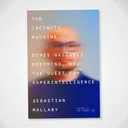
The Infinity Machine reframes campus AI future stakes

No comments yet. Be the first to share your thoughts!