
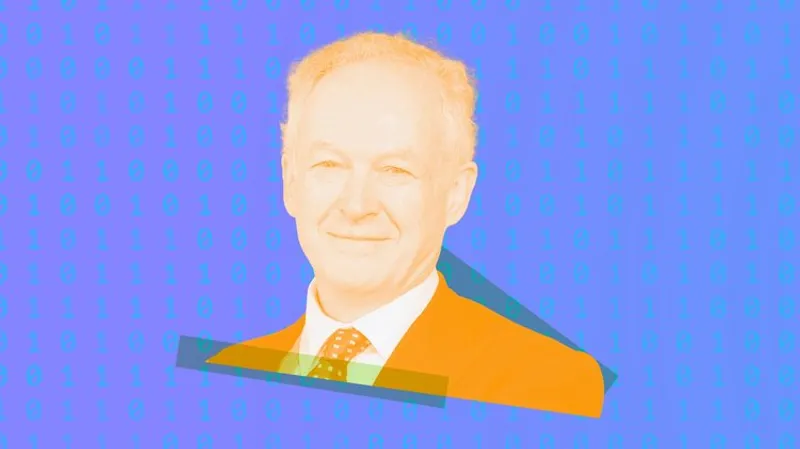
TLDR: Barnes and Noble CEO James Daunt defended a plan to stock AI generated titles, drawing sharp backlash from authors and readers.
Key Takeaways:
- Barnes and Noble has faced mounting pushback as AI tools spread across publishing, with creators arguing for clearer boundaries.
- James Daunt said the chain is open to stocking AI generated books, positioning the retailer against the authors and readers seeking limits.
- The dispute could reshape bookstore trust and shelf decisions as customers and writers weigh whether AI titles belong in mainstream retail.

A bookstore CEO choosing “stock it” over “block it” turns the aisles into a live debate. For readers, it is suddenly about more than plot.
A bookstore CEO choosing “stock it” over “block it” turns the aisles into a live debate. For readers, it is suddenly about more than plot.
Q&A
If AI generated books become common on physical shelves, how will bookstores distinguish between clearly labeled fiction and gray area publishing?
Expect stronger labeling standards, provenance demands, and retailer specific checks, because readers will want a quick, trustworthy signal before buying.
Why does a retailer’s stocking stance trigger faster outrage than a publisher’s own editorial decisions?
Readers feel the impact at checkout, while publishers can hide behind contracts and catalogs. Shelf access makes the controversy immediate and personal.
What precedent exists from past content disputes that could predict how this one ends?
Book industry fights over controversial material often settle through clearer labeling rules, negotiated standards, and selective partnerships rather than outright bans.
Could Barnes and Noble split the approach by genre, only stocking certain AI titles under stricter criteria?
That is plausible. Retailers frequently control risk by narrowing eligibility, requiring disclosure, or limiting AI titles to specific categories and formats.
How might this backlash affect authors who do not use AI but share audiences with AI backed titles?
Writers could see pressure to differentiate themselves through disclosure, style transparency, and marketing proof, because reader attention may fragment.
Top in Books
Martha Raddatz spotlights military heroism in The Hero Next Door

Grisham fights AI slop audiobooks on YouTube

Barnes and Noble shelves AI books and signals trouble

Commonwealth Prize winner sparks AI “literary slop” credibility crisis

No comments yet. Be the first to share your thoughts!