
 Apple
Apple Siri
Siri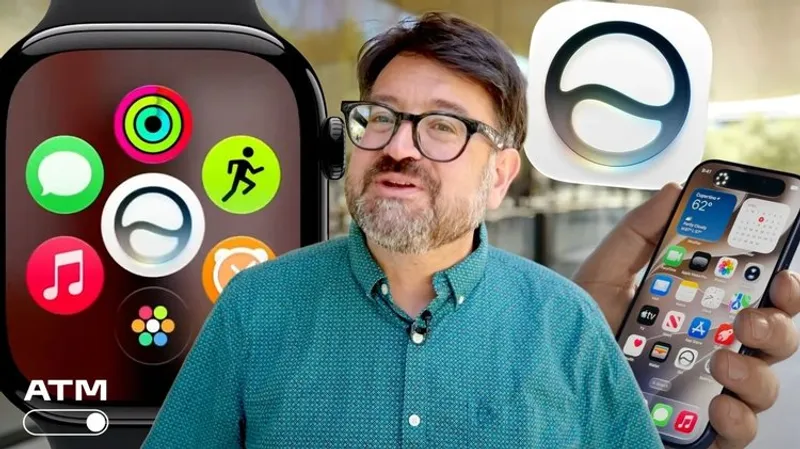
TLDR: LONDON—Apple says all its devices get a new AI layer this year, with Siri and Apple Intelligence rolling out across iPhone, iPad, Mac, and more. The shift could reshape everyday tasks and how users control devices.
Key Takeaways:
- Apple is pushing Apple Intelligence to unify features across iPhone, iPad, Mac, and other hardware this year.
- The new Siri is framed as an always available interface that works across devices instead of living in one app.
- More on device AI could speed up commands, personalize results, and intensify competition with Google and Microsoft assistants.
- Expect Siri features to land alongside iOS 27 and macOS 27 Golden Gate, tying voice control to system wide AI tools.

Siri has spent years feeling like a passenger. If Apple really makes it the driver across iPhone, Mac, and everything between, the bar just went up for every assistant that relies on shortcuts.
Siri has spent years feeling like a passenger. If Apple really makes it the driver across iPhone, Mac, and everything between, the bar just went up for every assistant that relies on shortcuts.
Q&A
If Siri becomes system wide, what happens to third party voice features that used to compete inside apps?
Developers will likely refocus on deeper integrations and richer permissions, because a platform level Siri can capture the first request from users.
Why does on device AI matter more than cloud speed for a voice assistant?
On device processing reduces latency and can keep more sensitive context local, which changes how often users trust Siri with private tasks.
What could frustrate users if Apple rolls out new Siri everywhere at once?
Feature unevenness across models and regions can create a confusing experience, especially when some devices get capabilities before others.
How might iOS 27 and macOS 27 Golden Gate signal a new Siri workflow?
System level AI hooks can turn voice prompts into multi step actions, like drafting, summarizing, and syncing across apps without repeated taps.
Could this strategy pressure Apple competitors more than it pressures other assistants?
Yes, because it raises expectations for how seamlessly AI responds across devices, not just how smart any one assistant sounds.
Top in AI

OpenAI IPO filing tests private speed versus public scrutiny

Bristol Myers Shrinks Procurement Timelines Using AI Readiness Doubts

Gulf funds double down on AI as IPO clock ticks

NotebookLM turns prompts into documentary grade art decks

No comments yet. Be the first to share your thoughts!