
NotebookLM turns prompts into documentary grade art decks
 NotebookLM
 Google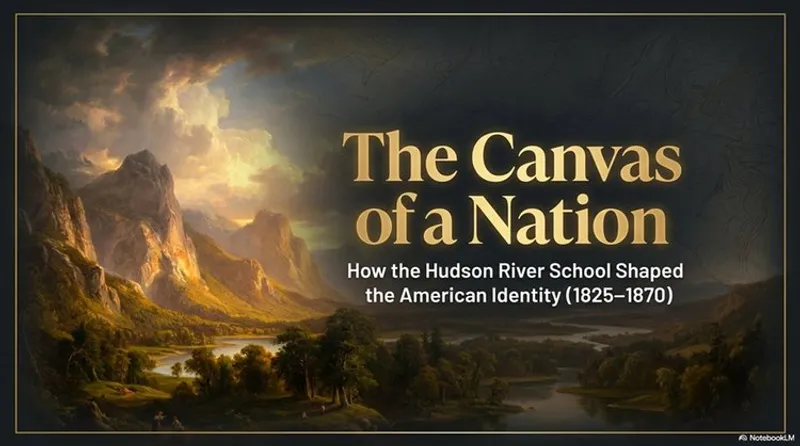
TLDR: Google NotebookLM upgraded with Gemini builds multi format art history presentations from basic prompts, including visual explanations.
Key Takeaways:
- Google’s NotebookLM now uses Gemini to go beyond organizing notes and into research discovery and finished content creation.
- A Hudson River School prompt generated slide text plus added visuals like a Venn diagram and Sublime versus Beautiful comparison.
- The AI shapes how audiences learn, reducing manual design time while still needing minor slide edits.
- Its deck also expanded into maps, women artists sections, and conservation links, showing editorial decisions across formats.

The surprising part is not the slides. It is how quickly NotebookLM decides what viewers should see next, like an editor swapping formats mid sentence.
The surprising part is not the slides. It is how quickly NotebookLM decides what viewers should see next, like an editor swapping formats mid sentence.
Q&A
If NotebookLM can generate visuals you never asked for, who should own the accuracy and sourcing?
Users should treat every generated visual as a claim, verify references, and demand citations when the deck supports key arguments.
What happens to the value of slide design when AI can choose diagrams and layouts automatically?
Design work may shift from arranging boxes to curating sources, setting learning goals, and reviewing whether the chosen explanations fit the audience.
Why did the presentation work better for a beginner than a traditional lecture format?
It used multiple explanatory structures, like comparisons and diagrams, which lower the cognitive load for people learning a new field.
Could the same workflow help researchers outside the arts, like public health or policy education?
Likely yes, especially when a topic benefits from structured comparisons, process visuals, and maps that connect ideas to geography.
What would you test next to measure whether NotebookLM is truly editorial, not just creative?
Compare two decks built from the same prompt under different constraints, then check consistency, citation quality, and whether the instructional framing stays aligned.




No comments yet. Be the first to share your thoughts!