
 AI
AI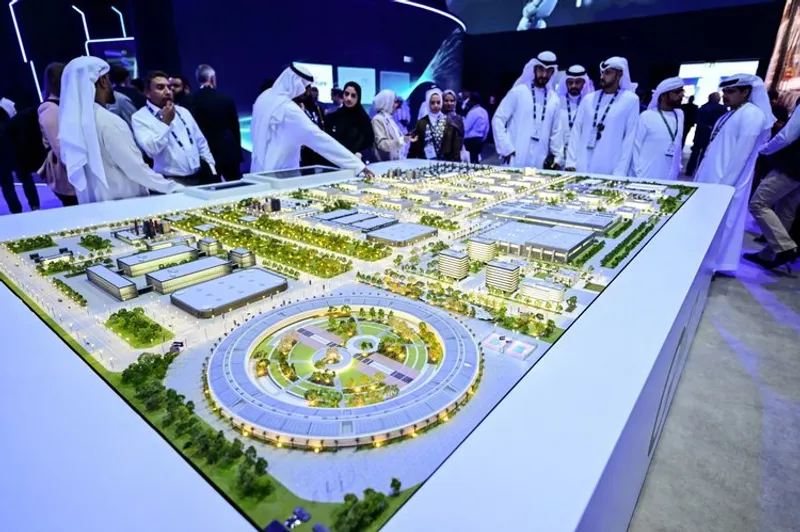
TLDR: ABU DHABI—Gulf sovereign wealth funds have shifted from risky Vision Fund tech bets to AI and compute scale, backing xAI and SpaceX as ownership converts to SpaceX shares. The same pipeline points to upcoming OpenAI and Anthropic public debuts, while the UAE builds a Stargate UAE 5GW campus.
Key Takeaways:
- After Vision Fund 1 losses, PIF and Abu Dhabi funds are now pairing AI ownership with access to scarce compute.
- PIF and other Gulf investors backed xAI funding, including HUMAIN placing $3 billion into xAI before its merger with SpaceX.
- The new strategy could pay off in billion dollar exits and faster model training, with Stargate UAE aiming for 200 megawatts first-phase capacity.

For years, Gulf tech bets looked like high stakes roulette. Now they look like spreadsheets with chip shipments attached, turning AI hype into ownership and compute access just as listings loom.
For years, Gulf tech bets looked like high stakes roulette. Now they look like spreadsheets with chip shipments attached, turning AI hype into ownership and compute access just as listings loom.
Q&A
What changes when sovereign funds convert AI venture stakes into direct SpaceX shares?
They move from paper tech wins to clearer exit paths tied to a public market valuation and liquidity, tightening the link between AI investments and tradable assets.
Why did compute access become the bottleneck, even for wealthy investors?
Training frontier models is constrained by specialized chips, power availability, and data center build timelines, so ownership alone cannot guarantee faster progress without infrastructure.
How does Stargate UAE’s power plan reshape AI timelines compared with smaller regional projects?
A 200 megawatt first phase then scaled toward 5 gigawatts targets deployment speed, letting developers train and iterate sooner than plans limited by slower site power buildout.
What could go wrong if AI infrastructure spending outpaces actual model demand?
If efficiency gains or business adoption lag, data center utilization could soften, making the returns more dependent on longer contracts and sustained export markets.
Is this strategy a repeat of earlier Silicon Valley bets, or a fundamentally different playbook?
It is more infrastructure anchored, with funds chasing both equity upside and supply chain leverage through partnerships with major AI and hardware companies.




No comments yet. Be the first to share your thoughts!