
Apple Passwords gets agentic AI to silently upgrade logins
 AI
AI Agentic AI
 Apple
Apple Apple Intelligence
 Safari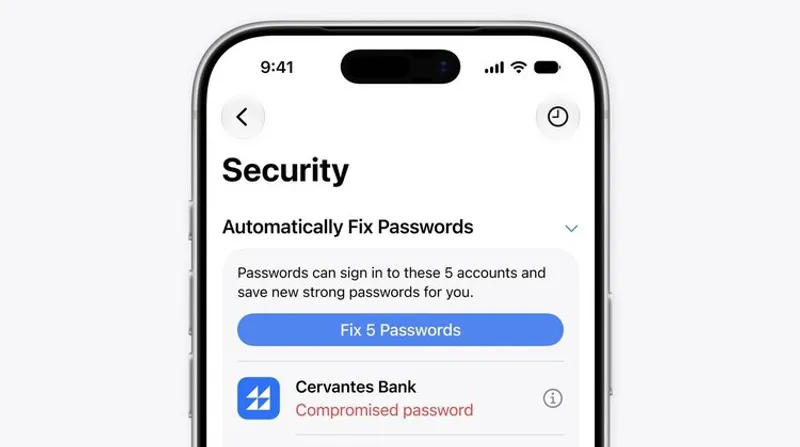
TLDR: Apple says Apple Passwords will automatically replace weak and compromised passwords using Apple Intelligence and Safari, after a single initial tap. The update happens in the background, cutting the manual login and reset slog for affected users. 🔐
Key Takeaways:
- Apple Passwords already flags weak and compromised credentials, but fixes previously required site by site manual changes.
- The new agentic system uses Apple Intelligence and Safari to sign in and upgrade accounts end to end, shown via Live Activity.
- Automating remediation may reduce reuse risk, but it also raises new questions about user control and auditability.
- If you rely on old credentials across many services, this could shrink breach exposure faster than manual resets.

It is the least dramatic kind of security win: fewer clicks between you and a stronger password. The real story is how quickly convenience is becoming the default security policy on Apple devices.
It is the least dramatic kind of security win: fewer clicks between you and a stronger password. The real story is how quickly convenience is becoming the default security policy on Apple devices.
Q&A
What happens if a site blocks automated sign ins or rejects a password change during the background process?
Apple indicates the system can act on a user behalf, but if a site requires extra verification, the workflow likely pauses and falls back to user intervention at the point of failure.
How will users confirm exactly which accounts changed when the fix runs in the background?
Because the feature shows as a Live Activity while active, users should be able to review status updates during the process, but the depth of post action reporting is the key open question.
Could this reduce breach impact more effectively than traditional password alerts?
Alerts only help if users act. Automation that updates credentials promptly can shorten the time attackers have a working password, especially for reused or widely used logins.
Why does Apple need Safari in addition to Apple Intelligence for this to work?
Password updates often require real browser flows, including form submissions, redirects, and site specific security checks. Safari provides the web execution layer while Apple Intelligence handles orchestration.
What precedent does this set for future agentic security actions on consumer devices?
If this works smoothly across common services, it points toward a broader model where apps not only detect risk but also execute remediation, shifting the emphasis toward permissioning, transparency, and rollback options.
Top in Cybersecurity

AFI Protocol scrambles after $480K Ethereum vault exploit

Apple Intelligence adds agentic password resets for at risk accounts

Apple Intelligence adds agentic fixes for compromised passwords

NFCShare Android malware pressures bank customers via fake GitHub updates

No comments yet. Be the first to share your thoughts!