
Apple Intelligence adds agentic password resets for at risk accounts
 AI
AI Apple
Apple Apple Intelligence
TLDR: SAN FRANCISCO—Apple announced at WWDC 2026 that Apple Intelligence can automatically change passwords flagged as weak or compromised by signing in online, then saving updates in the Passwords app. It aims to stop account takeovers without forcing users to manually fix every site.
Key Takeaways:
- Apple built on its earlier checks for weak and compromised passwords, then added agentic AI to handle the follow up.
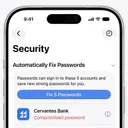
- Apple Intelligence can “agentically take action” by navigating websites, signing in, changing the password, and saving the new one in the Passwords app.
- Automated recovery could reduce time between breach warnings and fixes, but it also concentrates sensitive account actions inside Apple systems.
- Two factor authentication still matters, because the feature helps reset credentials but does not replace the need for account protections.

This is the rare AI feature that sounds boring in a good way: fewer frantic logins, fewer missed change requests, fewer chances for “maybe I will fix it later” to turn into a breach. 🔐
This is the rare AI feature that sounds boring in a good way: fewer frantic logins, fewer missed change requests, fewer chances for “maybe I will fix it later” to turn into a breach. 🔐
Q&A
What could make this feature fail when a password is compromised?
If a site blocks automated flows, the login requires unusual steps, or Apple Intelligence lacks permission, the reset may stall and still require manual intervention.
How does agentic password changing interact with two factor authentication?
It can reduce the password reset workload, but 2FA still governs access during sign in and reset. Users may need to approve prompts or handle codes.
Why is this considered more sensitive than merely detecting weak passwords?
Detection just informs. Changing passwords triggers account level actions across many sites, which increases both convenience and the stakes if something goes wrong.
What does the feature imply for the future of password managers?
It points toward password managers evolving from storage and alerts into assisted remediation, where the system coordinates account changes rather than only advising users.
What is the realistic next step after Apple automates password resets?
The logical expansion is guided cleanup: revoking sessions, rotating tokens, and prompting checks for suspicious logins, so the breach window closes faster than the manual checklist can.
Top in Cybersecurity

AFI Protocol scrambles after $480K Ethereum vault exploit

Apple Intelligence adds agentic fixes for compromised passwords

NFCShare Android malware pressures bank customers via fake GitHub updates
Apple Passwords gets agentic AI to silently upgrade logins

No comments yet. Be the first to share your thoughts!