
Apple Intelligence adds agentic fixes for compromised passwords
 Apple
Apple Apple Intelligence
 Safari
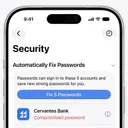
TLDR: SAN FRANCISCO—At WWDC 2026, Apple announced an Apple Intelligence feature that will automatically change eligible compromised or weak passwords in Safari and the Apple Passwords app in iOS 27. Apple says Private Cloud Compute and on device processing protect personal data.
Key Takeaways:
- Safari and Apple Passwords can flag weak or compromised passwords today, but they do not automatically replace them.
- iOS 27 adds an agentic Apple Intelligence password manager that can update eligible accounts to strong passwords.
- If it works as promised, password hygiene becomes a background task, shrinking the window when attackers benefit from reused or leaked credentials.
- The models run on device and using Private Cloud Compute, with Apple stating personal data is not stored or accessible to Apple during cloud processing.

Apple is turning password security from warning labels into autopilot. If iOS 27 delivers, the biggest change may be how fast users recover after a breach, not how well they choose new passwords.
Apple is turning password security from warning labels into autopilot. If iOS 27 delivers, the biggest change may be how fast users recover after a breach, not how well they choose new passwords.
Q&A
What could block an automatic password change even if Apple Intelligence detects a compromised credential?
Access to the affected account, password reset flow compatibility, multi factor prompts, and local network or device permission limits can stop an automated update. Apple will likely need user interaction when verification steps require it.
How might this affect attacker playbooks that rely on slow user remediation after a breach?
Faster rotation compresses the attack window, especially for credential stuffing and reused password attacks. Threat actors may pivot sooner toward fresh targets or focus on accounts that cannot be auto updated.
Why does agentic automation matter more than just stronger password suggestions?
Suggestions still depend on user decisions under pressure. Agentic actions reduce friction and timing gaps, which is exactly where many incidents turn from a warning into a takeover.
What are the privacy tradeoffs when password fixes rely on models that run on servers?
Apple points to Private Cloud Compute, where it says personal data is not stored or accessible to Apple or others during processing. The key question becomes auditability, user transparency, and what metadata is exposed.
How should enterprises and security teams respond if consumer devices start rotating credentials automatically?
They may need updated guidance for device management, incident timelines, and SIEM or EDR expectations around password reset events. Logs could show fewer lingering reused credentials but more reset traffic at once.
Top in Cybersecurity

AFI Protocol scrambles after $480K Ethereum vault exploit

Apple Intelligence adds agentic password resets for at risk accounts

NFCShare Android malware pressures bank customers via fake GitHub updates
Apple Passwords gets agentic AI to silently upgrade logins
No comments yet. Be the first to share your thoughts!